(818) 722-8634



Can Your House Be Too Airtight for Your HVAC System?
Yes, a house can be too airtight for its HVAC system. When a home is sealed too tightly without proper ventilation, it traps stale air, moisture, and pollutants indoors—and forces your HVAC system to work harder than it was designed to. The fix isn’t more airflow or less insulation. It’s smarter ventilation.
Modern homes are better sealed than ever. Energy-efficient windows, spray foam insulation, and tight door frames are all designed to keep conditioned air inside and outdoor air out. The result? Lower energy bills, fewer drafts, and a more comfortable living environment.
But there’s a catch. When a home becomes too airtight, the HVAC system—which was designed to circulate and condition air—starts running into problems it wasn’t built to solve. Poor indoor air quality, excess humidity, pressure imbalances, and accelerated wear on equipment are all symptoms of the same underlying issue: not enough fresh air exchange.
This isn’t a fringe problem. The U.S. Environmental Protection Agency (EPA) notes that indoor air can be two to five times more polluted than outdoor air, and that homes with insufficient ventilation are a leading contributor to that statistic. As Los Angeles homes continue to be upgraded and retrofitted for energy efficiency, the question of airtightness is becoming more relevant—not less.
So how do you know if your home is too airtight? And what can you do about it? This post breaks it all down.
What Does “Airtight” Actually Mean for a Home?
Airtightness refers to how well a home’s building envelope—its walls, roof, floors, windows, and doors—prevents uncontrolled air from leaking in or out. A certain degree of airtightness is desirable. It means your HVAC system isn’t constantly fighting against drafts, and your conditioned air stays where you want it.
The problem begins when airtightness exceeds what the ventilation system can compensate for. Every home needs some level of fresh air exchange to dilute indoor pollutants, manage humidity, and maintain healthy oxygen levels. When the building envelope is sealed so tightly that natural infiltration is essentially eliminated, and no mechanical ventilation is in place to fill that gap, the indoor environment deteriorates.
Building scientists measure airtightness using a “blower door test,” which pressurizes the home to measure how much air leaks out. Results are expressed in Air Changes per Hour (ACH). Most building codes in the U.S. now require homes to meet minimum ventilation standards—but older homes being retrofitted for energy efficiency don’t always get updated ventilation systems to match.
How Does an Overly Airtight Home Affect Your HVAC System?
Does poor ventilation make your HVAC system work harder?
Yes—and the effects compound over time. Here’s what happens inside an overly airtight home:
Negative pressure buildup. When an HVAC system exhausts air but doesn’t have enough make-up air coming in, it creates negative pressure. This can cause combustion appliances like furnaces and water heaters to backdraft, pulling flue gases—including carbon monoxide—back into the living space.
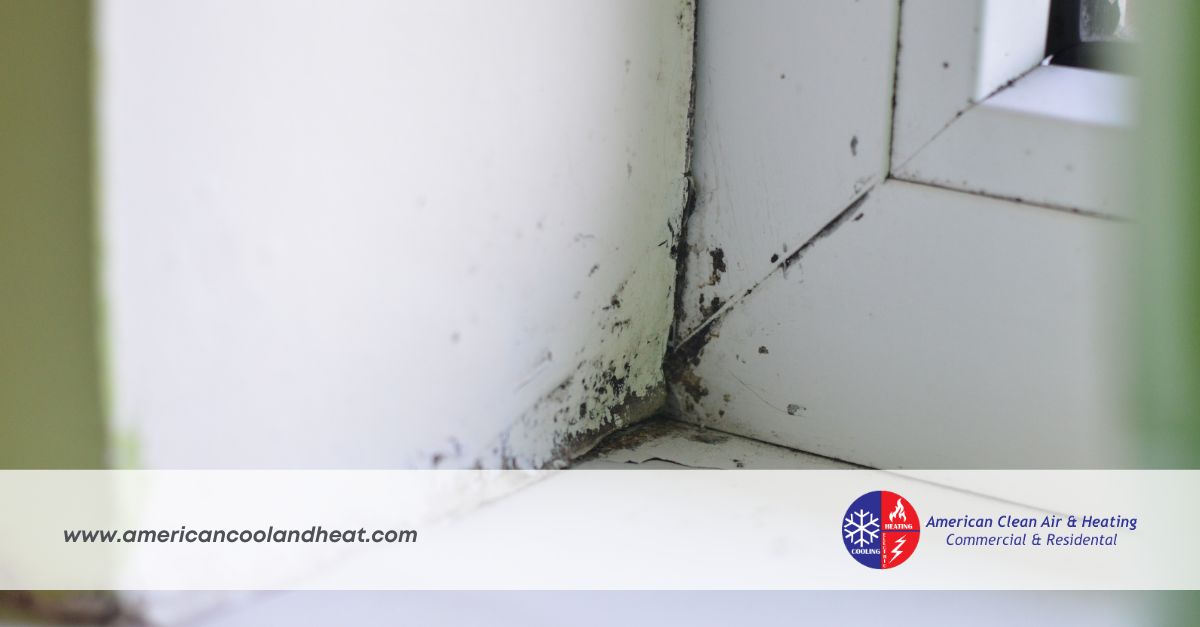
Humidity imbalances. Without fresh air exchange, moisture from cooking, bathing, and breathing accumulates indoors. High humidity accelerates mold growth, damages building materials, and makes your air conditioning system work overtime trying to dehumidify a space it can’t properly ventilate.
Reduced equipment efficiency. HVAC systems are sized and designed based on assumed infiltration rates. Remove that natural air exchange entirely, and the system operates outside its intended parameters—leading to short cycling, uneven temperatures, and increased energy consumption.
Shortened system lifespan. Constant strain from running in suboptimal conditions causes components—compressors, fan motors, coils—to wear out faster than they should.
What Are the Signs That Your Home Might Be Too Airtight?
Not every homeowner has access to a blower door test. Fortunately, several warning signs can indicate that your home’s ventilation is inadequate:
- Persistent condensation on windows or cold surfaces, particularly in winter or during humid Southern California weather patterns
- Musty or stale odors that don’t go away even after airing out the home
- Elevated humidity levels consistently above 60% relative humidity
- Headaches, fatigue, or allergy symptoms that improve when you leave the house—a classic sign of poor indoor air quality
- Visible mold growth in bathrooms, closets, or along exterior walls
- HVAC system running constantly without reaching the set temperature
If two or more of these apply to your home, it’s worth having an HVAC professional evaluate both your equipment and your ventilation strategy.
What Is the Right Balance Between Airtightness and Ventilation?
How much fresh air does a home actually need?
ASHRAE Standard 62.2—the residential ventilation standard used across the U.S.—recommends a minimum of 0.35 air changes per hour for occupied homes, with a baseline of 7.5 cubic feet per minute (CFM) of outdoor air per occupant plus 1 CFM per 100 square feet of floor area.
That might sound technical, but the practical takeaway is simple: every home needs a deliberate, controlled source of fresh air. The tighter the building envelope, the more important it becomes to introduce that fresh air mechanically.
The goal isn’t to unseal your home. It’s to pair good airtightness with good ventilation—a principle that building scientists refer to as “build tight, ventilate right.”
What Ventilation Solutions Work Best for Tight Homes?
Heat Recovery Ventilators (HRVs) and Energy Recovery Ventilators (ERVs)
These systems are the gold standard for airtight homes. An HRV or ERV brings fresh outdoor air into the home while simultaneously exhausting stale indoor air—but here’s the key feature: they transfer heat (and in ERVs, moisture) between the two airstreams. This means you get fresh air without losing the energy you’ve already spent conditioning your indoor air.
In a climate like Los Angeles—where summers are hot and dry and indoor cooling is used for much of the year—an ERV is often preferred because it also manages moisture transfer, preventing the incoming air from making your AC work harder than necessary.
Exhaust-Only Ventilation
A simpler (and less expensive) approach involves bathroom or kitchen exhaust fans running on a timer or continuously at low speed. This removes stale air and creates slight negative pressure that draws fresh air in through controlled gaps. The downside: it doesn’t precondition incoming air, which can increase HVAC load in extreme weather.
Balanced Ventilation with Your Existing HVAC
Some systems can be modified to introduce a controlled amount of outdoor air directly into the return air duct. This is a cost-effective option for homes that already have functional HVAC infrastructure but lack dedicated ventilation equipment.
What Should Los Angeles Homeowners Specifically Consider?
Los Angeles presents a unique set of variables. The region’s Mediterranean climate means mild winters and long, warm summers—but it also means wildfire season, high-particulate air events, and stretches of poor outdoor air quality that make residents reluctant to open windows.
For homeowners across the greater Los Angeles area—from dense urban neighborhoods to sprawling suburban communities—this creates a dilemma: you need fresh air exchange, but outdoor air isn’t always clean enough to bring in unfiltered.
The solution is ventilation paired with filtration. An ERV or HRV system equipped with a MERV-13 or higher filter allows controlled fresh air intake while blocking particulates, smoke, and allergens. This is especially relevant for residents in areas prone to seasonal wildfire smoke, where simply cracking a window can introduce harmful air quality conditions indoors.
Additionally, many Los Angeles homes are older construction that has been partially upgraded—new windows here, added insulation there—without a comprehensive energy audit. This patchwork approach to efficiency often results in uneven airtightness and poor HVAC performance. A whole-home assessment by a qualified HVAC technician can identify where the gaps (and over-sealing) are.
How Can You Test Whether Your Home Has a Ventilation Problem?
Short of a professional blower door test, homeowners have a few practical options:
- Purchase an indoor air quality monitor. Devices that measure CO₂, VOCs, humidity, and particulate matter can give you a real-time picture of your indoor air. CO₂ levels consistently above 1,000 ppm in occupied rooms are a reliable indicator of insufficient fresh air exchange.
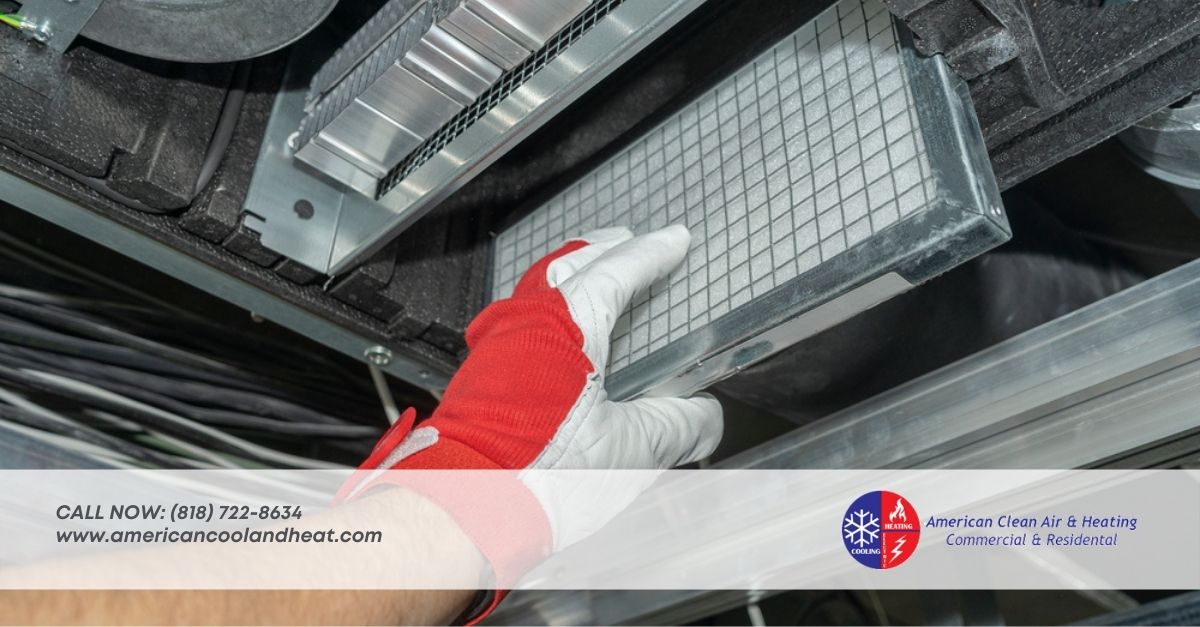
- Check your HVAC filter more often than you think necessary. A clogged filter in a tight home can compound pressure issues quickly.
- Schedule an HVAC inspection. A technician can assess airflow, check for pressure imbalances, and evaluate whether your system is adequately sized for the current state of your home’s envelope.
The Bottom Line: Seal Smart, Ventilate Smarter
Airtightness is a feature, not a flaw—until it becomes excessive. A well-sealed home saves energy and improves comfort. A well-sealed home with no ventilation strategy creates an environment that strains your HVAC system, degrades indoor air quality, and can cause long-term damage to both the building and the people inside it.
The answer isn’t to stop insulating or sealing. It’s to treat ventilation as an equally important part of your home’s systems—not an afterthought. Pair your efficiency upgrades with a deliberate ventilation plan, and your HVAC system will perform better, last longer, and keep your indoor air genuinely healthy.
If you’re in the Los Angeles area and want to know whether your HVAC system is keeping pace with its airtightness, American Clean Air and Heating can help. Our team serves homes and businesses throughout the greater LA region—from single-family properties to multi-unit commercial buildings—with thorough HVAC assessments and air quality solutions tailored to your specific situation.