Signs Your Home Has Poor Indoor Air Quality

Most people assume that staying indoors means staying safe from pollution. The reality? The EPA estimates that indoor air quality can be two to five times more polluted than outdoor air. For Los Angeles homeowners, where windows stay shut during heatwaves and HVAC systems run around the clock, that number can climb even higher.

Poor indoor air quality doesn’t always announce itself with an obvious smell or visible cloud of dust. More often, it creeps up gradually—through persistent headaches, a cough that won’t quit, or allergy symptoms that seem to flare up only when you’re home. These subtle signs are easy to dismiss as unrelated, but together they paint a clear picture of what’s happening in your air.

This post covers eight of the most telling signs that your home’s air quality needs attention, what’s likely causing them, and how to address the problem before it starts affecting your health and your wallet.carbon monoxide
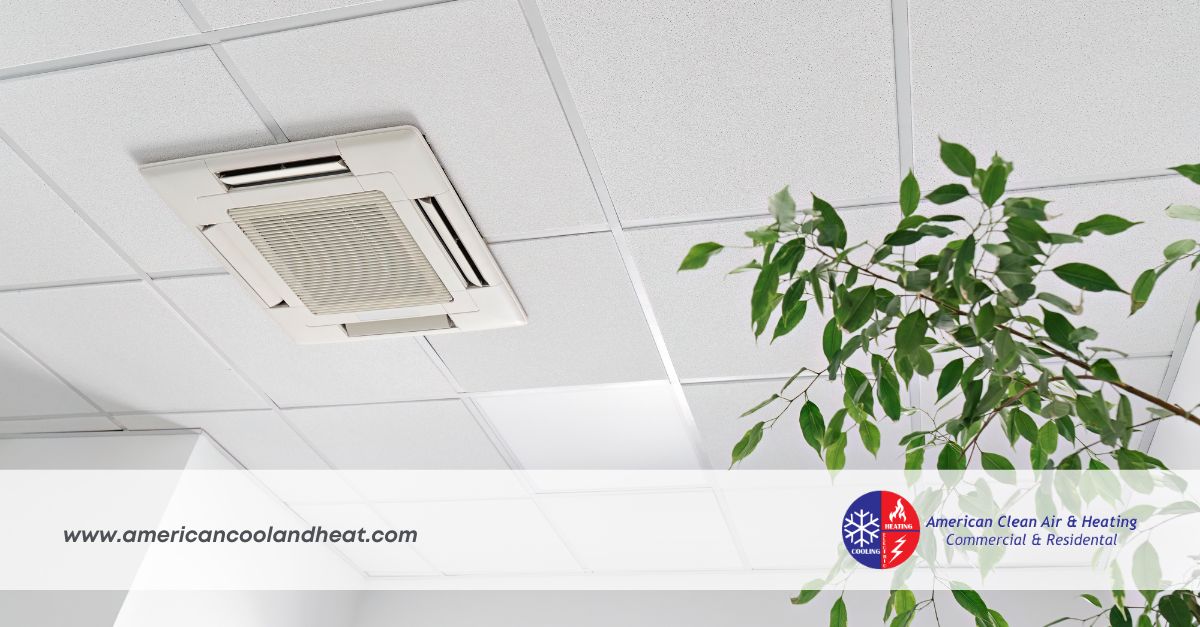
indoor air quality

Frequent or Worsening Allergy Symptoms at Home

If your sneezing, itchy eyes, or runny nose are worst inside your home—not outside—your indoor air quality is likely to blame. Common culprits include dust mites, pet dander, pollen that’s been drawn inside through return air vents, and mold spores circulating through your HVAC system.

When a heating or cooling system isn’t regularly maintained, filters become clogged and lose their ability to capture airborne particles. Those particles then recirculate through every room in your house. For allergy and asthma sufferers, this cycle can be genuinely miserable.

Dust Buildup That Returns Shortly After Cleaning

A little dust is inevitable. But if surfaces in your home collect a visible layer of dust within a day or two of cleaning, your HVAC system is almost certainly the source. Dirty air filters, dusty ductwork, and poor system maintenance push particulate matter back into your living spaces continuously.

Pay close attention to the area directly beneath ceiling vents. If you notice dark streaks or heavy dust accumulation around vent covers, that’s a strong visual indicator that your system is circulating contaminated air.

Unpleasant or Musty Odors That Linger

A musty smell indoors usually signals mold or mildew growth. Both thrive in humid, poorly ventilated environments—and both can develop inside air ducts, on evaporator coils, and around drain pans inside your HVAC unit without you ever seeing them.

Other odors to watch for include a stale, “closed up” smell that doesn’t improve with ventilation, or a faint chemical scent that may indicate volatile organic compounds (VOCs) off-gassing from furniture, cleaning products, or building materials. A well-functioning HVAC system with clean filters and proper airflow helps flush these compounds out. A neglected one traps them inside.

High Indoor Humidity Levels

Humidity above 50% creates ideal conditions for mold, mildew, and dust mites. You may notice condensation on windows, a damp feeling in the air, or walls and ceilings that feel slightly cool and clammy to the touch.

In Los Angeles, humidity isn’t always the first thing homeowners think about—but coastal neighborhoods and homes with older HVAC systems can struggle with it more than you’d expect. Your air conditioner plays a key role in dehumidification. When it’s undersized, aging, or in need of repair, moisture levels inside your home can rise significantly.

Inconsistent Temperatures Between Rooms

Hot and cold spots throughout your home aren’t just a comfort issue—they’re often a signal that your HVAC system is struggling to distribute air evenly. This can result from blocked or leaking ductwork, a failing blower motor, or a system that’s no longer powerful enough to condition the space it’s serving.

Uneven airflow means some rooms receive filtered, conditioned air while others receive very little. The rooms with poor circulation tend to accumulate more airborne pollutants, humidity, and stagnant air over time.

Increased Headaches, Fatigue, or Difficulty Concentrating

Persistent headaches, brain fog, and unexplained fatigue at home—symptoms that improve when you leave—can point to elevated levels of indoor pollutants like carbon dioxide, VOCs, or carbon monoxide. While carbon monoxide requires immediate professional attention, the more common culprits are simply inadequate ventilation and recirculated stale air.

Good HVAC maintenance keeps fresh air cycling through your home and ensures your system isn’t contributing to the problem. If these symptoms appear in multiple household members around the same time, don’t ignore the pattern.

Visible Mold Around Vents or on Walls

Visible mold growth is one of the clearest warning signs of a serious air quality problem. Dark spots around air vents, on bathroom ceilings, or along window frames indicate that moisture is accumulating and mold spores are already present in your air supply.

Mold spores released into the air are invisible to the naked eye and can trigger respiratory issues, chronic sinus infections, and skin irritation. Once mold establishes itself inside ductwork, it spreads efficiently with every cycle of your system. Professional cleaning and a thorough inspection of your HVAC unit are essential at this stage.
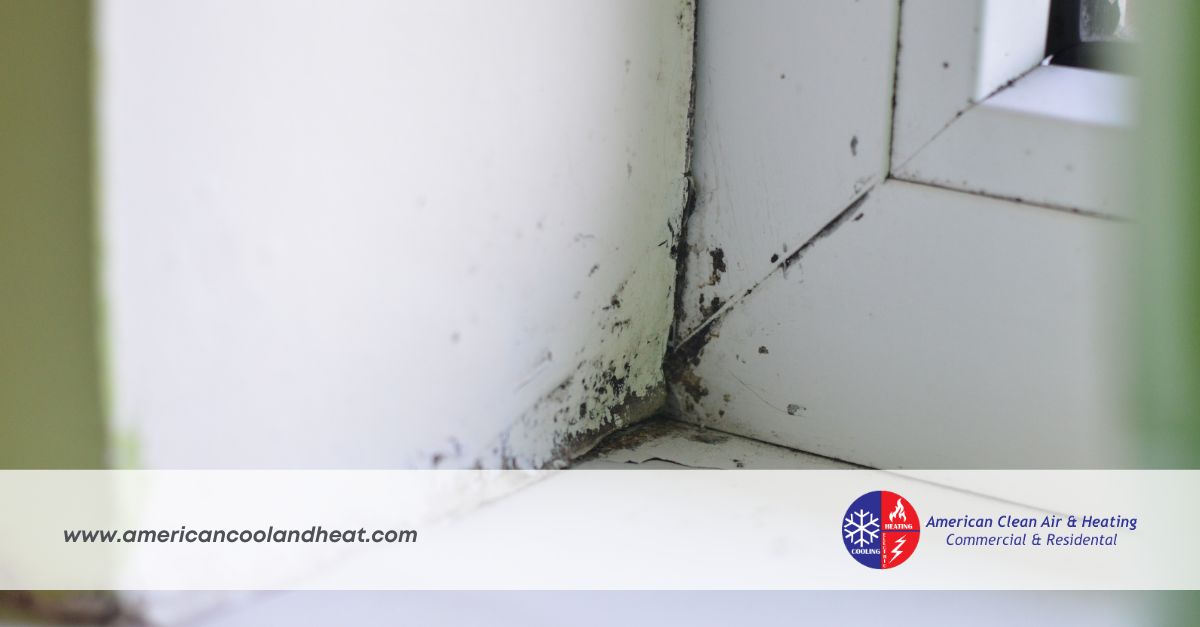
Mold Around Vents

Your HVAC System Is Old or Hasn’t Been Serviced Recently

An HVAC system that hasn’t been professionally serviced in more than a year is one of the single biggest contributors to declining indoor air quality. Dirty coils, clogged filters, and degraded components reduce efficiency and compromise your system’s ability to filter and circulate clean air.

Older units—particularly those more than 10 to 15 years old—may no longer meet current efficiency standards, struggle to maintain consistent airflow, and lack the filtration capacity of modern systems. Regular professional maintenance extends equipment life, reduces energy costs, and keeps the air your family breathes clean and healthy.

What You Can Do to Improve Your Home’s Air Quality

Improving indoor air quality doesn’t have to be complicated. A few targeted steps make a meaningful difference:

  • Replace air filters regularly — every 1–3 months depending on usage and household size
  • Schedule annual HVAC maintenance — a professional inspection catches issues before they affect your air
  • Clean air vents and returns — remove dust buildup from vent covers and the area surrounding them
  • Address moisture problems promptly — fix leaks, ensure proper drainage from your AC unit, and use exhaust fans in bathrooms
  • Consider an air quality upgrade — UV air purifiers and whole-home filtration systems can significantly reduce contaminants

Breathe Easier With the Right HVAC Partner

Your HVAC system is the lungs of your home. When it’s clean, well-maintained, and properly calibrated, it quietly does its job—filtering pollutants, controlling humidity, and keeping the air your family breathes healthy. When it’s neglected, the effects show up in your health, your comfort, and eventually your energy bills.

At American Cool and Heat, we’ve helped Los Angeles homeowners breathe cleaner, healthier air for years. Our consistently trained technicians provide high-quality service, thorough inspections, and reliable repairs that keep your system running at its best. A well-maintained unit doesn’t just improve air quality—it lowers your expenses and saves you money over time.

If you’ve noticed any of the signs above, don’t wait for the problem to grow. Contact the team at American Cool and Heat to schedule a professional inspection and take the first step toward cleaner air in your home.
Why Your AC Runs All Day During a Heat Wave

Los Angeles summers don’t mess around. When temperatures spike into the triple digits, your air conditioner kicks into overdrive—and it might seem like it never shuts off. Before you panic, know this: some extended running is completely normal during a heat wave. But there’s a difference between an AC working hard and an AC struggling to keep up.

Understanding that difference could save you from a costly breakdown right when you need your system the most. Here’s what’s actually going on when your air conditioner runs all day, and how to know when it’s time to call in a professional.

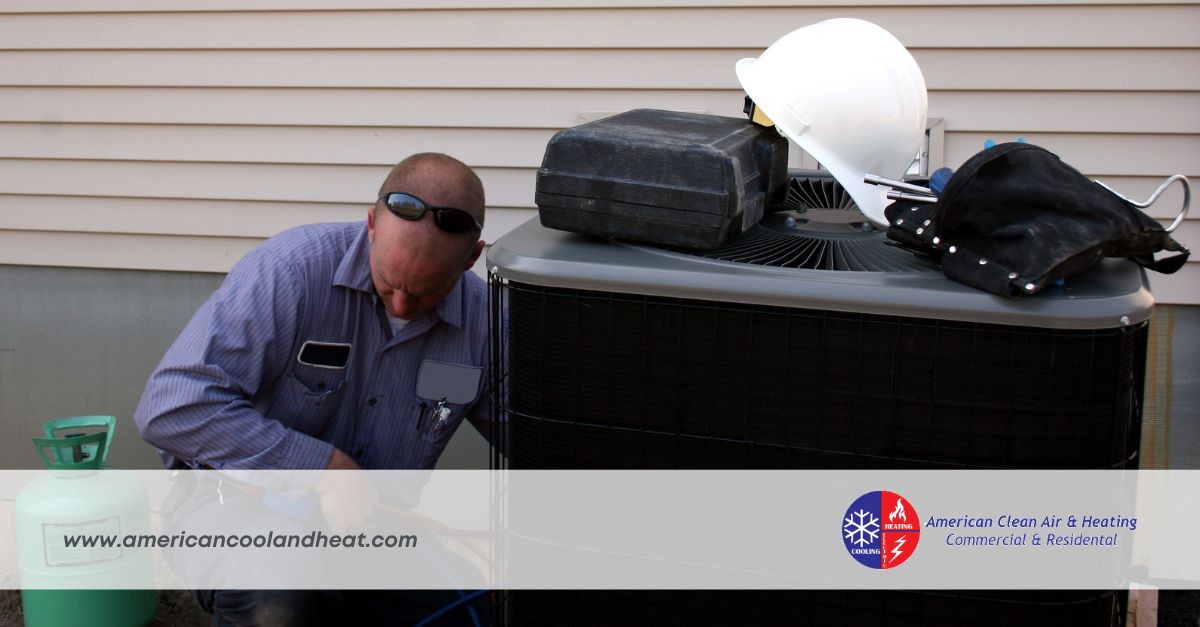
AC Repair Glendale, air conditioner

Why Does an Air Conditioner Run Longer on Hot Days?

Your air conditioner is designed to maintain a set temperature inside your home. On a mild day, it can reach that target quickly and cycle off. But when outdoor temperatures soar, the system has to work significantly harder to overcome the heat pouring in through your walls, windows, and roof.

Think of it like trying to fill a bathtub with the drain open. The hotter it gets outside, the faster that “drain” pulls heat back in—and the longer your AC has to run to compensate. During an extreme heat wave, running continuously for several hours (or even the entire day) isn’t necessarily a red flag. It’s often just physics.

That said, there are situations where extended running signals a real problem.

Common Reasons Your Air Conditioner Won’t Stop Running

Your Air Filter Is Clogged

A dirty air filter is one of the most common culprits behind an overworked AC. When airflow is restricted, the system can’t move enough cool air through your home efficiently. It keeps running in an attempt to reach your thermostat setting—but never quite gets there.

Checking and replacing your air filter is a simple fix, and it can make a noticeable difference almost immediately. Most filters should be replaced every 1–3 months, more frequently if you have pets or live in a dusty environment like many parts of Los Angeles.

Your AC Unit Is the Wrong Size for Your Home

Bigger isn’t always better when it comes to air conditioning. An undersized unit will run continuously because it simply doesn’t have enough capacity to cool your space. An oversized unit, on the other hand, will cycle on and off too quickly, which causes its own set of problems.

If your AC has always struggled to keep up during hot weather—even after maintenance—it may be a sizing issue worth discussing with an HVAC professional.

Refrigerant Levels Are Low

Refrigerant is the substance that actually absorbs heat from your home and transfers it outside. If your system has a refrigerant leak, it loses its ability to cool effectively. The result? Your AC runs and runs, but your home stays warm.

Low refrigerant is not something you can top off yourself—it requires a licensed technician to diagnose the leak, repair it, and recharge the system properly.

Your Ductwork Is Leaking

Cool air might be leaving your AC unit just fine, but if your ducts have cracks, gaps, or poor connections, a significant portion of that air could be escaping into your attic or walls before it ever reaches your living spaces. Studies from the U.S. Department of Energy suggest that duct leakage can account for up to 30% of energy loss in a typical home HVAC system.

Leaky ducts force your air conditioner to compensate, leading to longer run times and higher energy bills.

Your Thermostat Needs Attention

Sometimes the issue isn’t the AC at all—it’s the thermostat. A miscalibrated or malfunctioning thermostat may not accurately read the indoor temperature, causing the system to run far longer than necessary. If your thermostat is older or positioned near a heat source like a sunny window, it could be giving your AC inaccurate instructions.

Upgrading to a programmable or smart thermostat is a worthwhile investment that can improve both comfort and efficiency.

The Unit Itself Is Aging

Air conditioners have a typical lifespan of 10–15 years. As a system ages, its components wear down and efficiency drops. An older unit may have been perfectly capable of handling a Los Angeles heat wave five years ago, but struggle significantly today.

If your system is pushing past the 12–15 year mark and you’re noticing longer run times, higher bills, and more frequent repairs, it may be more cost-effective to replace the unit than continue patching it.

How to Tell If Your AC Is Working Hard or Working Wrong

Here’s a quick way to assess the situation. If your home is slowly reaching your thermostat’s set temperature—even if it takes several hours—your system is likely just working hard in tough conditions. That’s expected behavior during a heat wave.

However, if your home never reaches the set temperature no matter how long the AC runs, if you notice warm air coming from the vents, if your energy bills have spiked unexpectedly, or if the system is making unusual noises, those are signs that something is wrong beyond just the weather.

What You Can Do Right Now to Help Your AC

A few simple steps can ease the strain on your system during extreme heat:

  • Keep blinds and curtains closed during peak sunlight hours to reduce heat gain through windows.
  • Set your thermostat a few degrees higher than usual. Even bumping it from 72°F to 76°F reduces the workload significantly.
  • Run ceiling fans to improve air circulation and make the space feel cooler without lowering the thermostat.
  • Avoid using heat-generating appliances like ovens and dryers during the hottest parts of the day.
  • Check your air filter and replace it if it’s visibly dirty.

These measures won’t fix an underlying mechanical issue, but they can reduce stress on the system and help maintain comfort until a technician can inspect the unit.

When to Call an AC Repair Professional in Los Angeles

If you’ve tried the basics and your system still can’t keep up, it’s time to get a professional involved—ideally before the problem escalates into a full breakdown. The worst time for an air conditioner to fail is during a heat wave, and unfortunately, that’s exactly when most failures happen. Demand for repair services spikes, wait times grow longer, and the heat inside your home can become genuinely dangerous.

Scheduling a maintenance check before or during the summer season is one of the smartest things a Los Angeles homeowner can do.

ac repair glendale CA

Keep Your Cool All Summer Long

An air conditioner that runs all day during a heat wave may simply be doing its job. But when performance starts to slip—when rooms stay stuffy, energy bills climb, or the system just doesn’t feel right—those are signals worth taking seriously.

At American Cool and Heat, we’ve been helping Los Angeles homeowners stay comfortable through the city’s toughest summers. Our team is trained to diagnose everything from minor filter issues to complex refrigerant leaks, and we’re committed to getting your system back to peak performance. A well-maintained air conditioner doesn’t just cool your home—it runs cleaner, lasts longer, and costs less to operate.

Don’t wait for a full breakdown. If your AC has been running non-stop and you’re not sure why, give us a call and let us take a look.

Los Angeles Heatwaves: Is Your HVAC System Prepared?

Summers in Southern California are getting significantly hotter. The sunny days that traditionally draw people to Los Angeles now often bring soaring temperatures that push the limits of local infrastructure. When the thermometer hits triple digits, your air conditioning unit shifts from a simple comfort to an absolute necessity. Your cooling system becomes essential during these extreme conditions. But as extreme weather events become more frequent and severe, many homeowners find themselves asking a critical question. Will my cooling equipment survive the next big temperature spike?

You rely on your home to be a safe, comfortable refuge during extreme weather. Unfortunately, a massive heatwave is the exact moment an aging or poorly maintained cooling system is most likely to fail. This guide covers everything you need to know about protecting your home and family from intense summer heat. You will learn how rising temperatures affect your equipment, the warning signs of an impending breakdown, and the exact steps to take for emergency preparedness.

The growing threat of extreme heat in Southern California

Los Angeles has always experienced warm summers. Recently, however, the region has seen a noticeable increase in the duration and intensity of its heatwaves. Meteorologists and climate scientists note that extreme heat events are starting earlier in the spring and stretching deeper into the fall months.

When a heatwave settles over the Los Angeles basin, it creates a heavy demand on the local electrical grid and the mechanical systems of individual homes. The temperature outside directly impacts how hard your cooling system must work. Standard units are typically designed to handle a specific temperature differential between the outdoors and your indoor living space. When outdoor temperatures climb past 100 degrees Fahrenheit, the system runs continuously just to maintain a basic level of indoor comfort. This constant operation causes rapid wear and tear on moving parts and significantly increases the risk of a total system failure.

Hollywood HVAC replacement (1)

Why emergency preparedness matters for your AC

Treating your air conditioner with a “set it and forget it” mindset is no longer a viable strategy. Extreme heat requires an emergency preparedness approach. Waiting until your system breaks down during a 105-degree afternoon means you will likely face long wait times for repairs, as local technicians become overwhelmed with service calls.

Taking proactive steps ensures your home remains safe during a severe weather event. Building urgency around your HVAC maintenance schedule can save you thousands of dollars in emergency repair costs and prevent the physical danger of an overheated home.

Start with a professional inspection

The foundation of cooling preparedness is a comprehensive professional inspection. Have a licensed technician evaluate your system before the peak summer heat arrives. They will check refrigerant levels, test electrical connections, and clean the condenser coils. A system operating with low refrigerant or dirty coils has to work twice as hard to cool your home, which inevitably leads to overheating and compressor failure.

Replace your air filters regularly

One of the simplest and most effective ways to protect your equipment is to change your air filters frequently. A clogged filter restricts airflow, forcing the blower motor to strain. During a heatwave, this added strain can easily cause the motor to burn out. Check your filters every 30 days during the summer and replace them the moment they look dirty.

Clear the area around your outdoor unit

Your condenser unit needs space to breathe. Overgrown bushes, accumulated leaves, and outdoor furniture can block the airflow necessary to dissipate heat. Clear at least two feet of space around the entire outdoor unit. This allows the system to exhaust hot air efficiently, reducing the overall workload on the compressor.

Warning signs your cooling system is struggling

Even with careful preparation, mechanical systems can struggle under extreme stress. Knowing the early warning signs of a failing unit allows you to address the problem before a complete breakdown occurs.

Pay close attention to how your system sounds and performs. Are you noticing a lack of airflow from your vents? Is the system running constantly but failing to reach the temperature set on the thermostat? These are clear indicators that your equipment is overwhelmed.

You should also listen for unusual sounds. Banging, rattling, or squealing noises point to loose or failing internal components. Finally, be aware of any strange odors. A musty smell indicates mold within the ductwork, while a burning odor usually points to an electrical issue or an overheating motor.

Trusted solutions for sudden breakdowns

Sometimes, despite your best efforts, extreme weather wins. When a heatwave pushes your equipment past its breaking point, you need a reliable partner to restore your home’s comfort and safety immediately.

American Clean Air and Heating delivers the trusted residential and commercial AC repair Glendale residents and businesses count on. Whether your system is blowing warm air, making strange noises, or refusing to turn on altogether, our experienced HVAC technicians are prepared to diagnose and fix the issue promptly. We understand the urgency of a broken air conditioner during a Los Angeles heatwave, and we act quickly to get your home back to a safe temperature.

Stay safe and comfortable this summer

Extreme heat is an undeniable reality for Southern California residents. Acknowledging the severe strain these rising temperatures place on your home is the first step toward effective preparation. By treating your cooling system as a critical piece of emergency infrastructure, you can prevent sudden breakdowns and keep your family comfortable.

Take action today to prepare your home for the next major temperature spike. Schedule your routine maintenance, replace those dirty filters, and keep a trusted repair team in your contacts. A little preparation now guarantees you will stay cool, calm, and protected all summer long.

Start 2026 Right: The Hidden Benefits of January AC Service

As the calendar turns to January 2026, your mind is likely focused on the new year’s resolutions. You might be planning a new fitness routine, organizing your finances, or finally tackling that renovation project. Checking your air conditioning system is probably the last thing on your list, especially if you are currently bundled up in a sweater.

However, experienced homeowners know that the off-season is actually the smartest time to address home maintenance. While it feels counterintuitive to service a cooling system when the temperatures outside are dropping, January offers a unique window of opportunity. It allows you to get ahead of the inevitable summer rush, save money, and ensure your home is prepared for the heat long before it arrives.

Waiting until the first heatwave of the year to test your AC is a gamble that often results in sweaty, uncomfortable nights and expensive emergency repairs. Here is why prioritizing your AC maintenance this January is the best way to start 2026.

air conditioning system

Unlock significant cost savings

The most compelling reason to schedule maintenance in the winter is the potential for financial savings. The HVAC industry is heavily seasonal. During the peak summer months, demand skyrockets. Technicians are working overtime, appointments are scarce, and the cost of service—particularly emergency repairs—can be at its highest.

By scheduling in January, you take advantage of the “shoulder season.” Because demand is lower, you are more likely to avoid premium pricing associated with urgent, peak-season calls.

Furthermore, proactive maintenance saves money by preventing major malfunctions. A small issue, like a worn belt or a minor refrigerant leak, is relatively inexpensive to fix if caught early. If that same issue goes unnoticed and is subjected to the strain of a 90-degree day in July, it can cause a catastrophic system failure. The cost of replacing a compressor is significantly higher than the cost of a routine tune-up. Think of it as preventative healthcare for your home; a check-up now is cheaper than surgery later.

Enjoy priority scheduling and attention

Anyone who has tried to call an HVAC company during a July heatwave knows the frustration of being put on a waiting list. When thousands of units fail simultaneously due to extreme heat, technicians are stretched thin. You might find yourself waiting days, or even weeks, for a repair slot.

January is a different story. Scheduling maintenance now puts you at the front of the line. You have the luxury of choosing an appointment time that works perfectly with your schedule, rather than rearranging your life around the only available slot.

Additionally, off-peak appointments often allow for a more thorough service experience. When technicians aren’t rushing to get to the next five emergency calls on their roster, they can take extra time to inspect your system, answer your questions, and explain any necessary repairs in detail. You get their undivided attention, ensuring that your system is tuned to perfection.

Prevent breakdowns before the heat hits

The primary goal of any maintenance plan is reliability. You want to know that when you flip the switch to “Cool,” the air conditioning system will respond immediately and keep your home comfortable without delays or unexpected issues.

Air conditioning units work hardest during the hottest days of the year. If a system has underlying issues—such as dirty condenser coils, clogged filters, or electrical connection problems—the added stress of high temperatures will expose them. This is why breakdowns happen most frequently during heatwaves.

A January inspection allows a professional to:

  • Clean internal components: Dust and debris can build up over the year, reducing efficiency and straining the motor.
  • Check refrigerant levels: Proper fluid levels are essential for cooling performance and energy efficiency.
  • Inspect electrical systems: ensuring that all connections are tight and safe reduces the risk of failure.
  • Calibrate the thermostat: This ensures your system runs only when necessary, saving energy.

By resolving these issues in the winter, you enter the spring and summer seasons with confidence. You won’t have to worry about whether your AC will survive the season; you will know it is ready to perform.

Boost your energy efficiency for the year ahead

A well-maintained AC unit is an efficient AC unit. When your system is clogged with dust or struggling with worn parts, it has to work harder to achieve the same cooling results. This “short-cycling” or constant running drives up your energy bills significantly.

Starting 2026 with a tuned-up system sets a baseline for efficiency. Even if you aren’t running the AC heavily in January, having it prepped means that when you do turn it on, it operates at peak performance immediately. This can lead to lower utility bills throughout the spring and summer, putting money back in your pocket that can go toward those other New Year’s resolutions.

Secure your comfort today

It is easy to put off maintenance when the need isn’t immediate. But the smartest homeowners look ahead. By taking care of your air conditioning system in January, you are buying peace of mind for the rest of the year. You avoid the stress of summer breakdowns, save money on repairs and energy bills, and ensure your home remains a sanctuary of comfort.

At American Clean Air and Heating, we make the process of getting professional service easy and straightforward. We understand that you want to start the year off on the right foot without unnecessary hassle. Whether you’ve noticed a minor change in performance or just want a routine check-up to prevent future failure, our team is ready to respond.

Don’t wait until the mercury rises. Reach out today to schedule an appointment for reliable, efficient air conditioning repair tailored to your space.