(818) 722-8634



Why Is One Bedroom Hotter Than the Rest of Your House?
A single hot room is almost always caused by a fixable problem—poor airflow, blocked vents, duct leaks, inadequate insulation, or an undersized AC unit. Identifying the root cause is the first step to restoring even temperatures throughout your home.
You’ve checked the thermostat. The AC is running. Every other room feels fine—but one bedroom sits at least five degrees warmer than everywhere else. It’s frustrating, especially on a hot Los Angeles summer night when you’re trying to sleep.
Here’s the thing: a single hot room is rarely a mystery. There are well-understood reasons why one space in a home struggles to stay cool, and most of them are fixable without replacing your entire HVAC system.
Closed or Blocked Vents Are Often the Simplest Explanation
Start with the obvious. Walk into the hot room and check every vent. Are any of them closed, partially blocked by furniture, or covered by a rug or curtain?
Many homeowners close vents in unused rooms thinking it will redirect airflow and reduce energy costs. In reality, closing vents increases pressure in your ductwork, which can reduce system efficiency and force conditioned air to leak out before it reaches its destination.
Make sure all vents are fully open and that no furniture—beds, desks, dressers—is sitting directly in front of them. Give the air somewhere to go, and you may notice an immediate improvement.
Why Duct Leaks Make One Room Much Harder to Cool
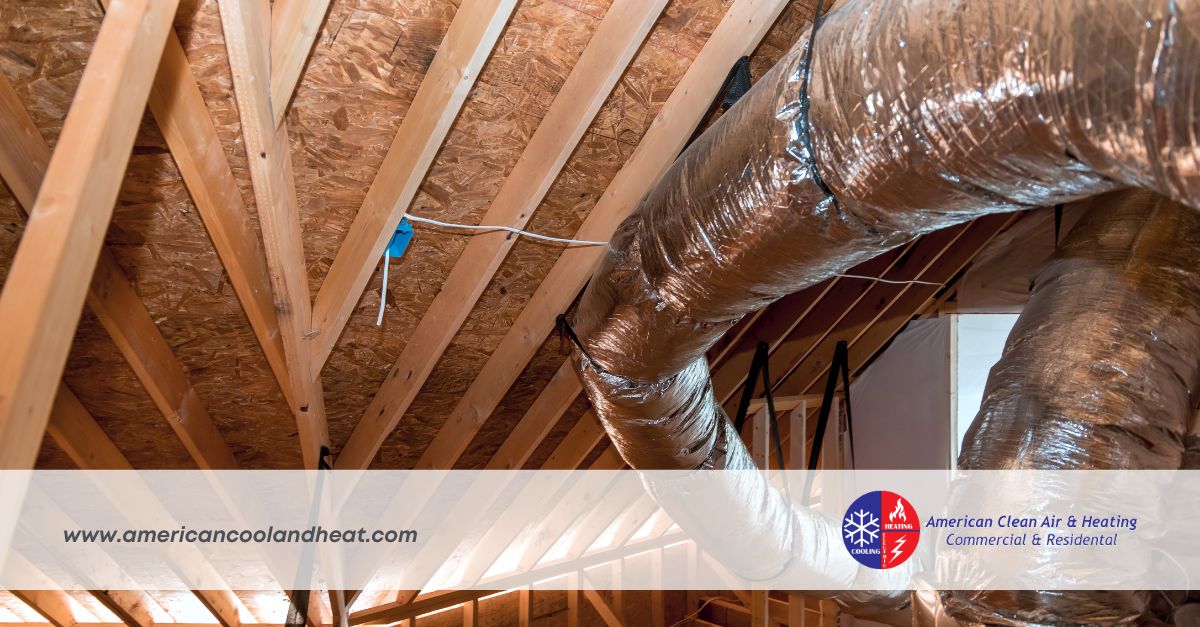
If the vents are open and clear, the problem may be inside your walls. Leaky ducts are one of the most common causes of uneven cooling in residential homes.
The U.S. Department of Energy estimates that in a typical home, about 20 to 30 percent of the air moving through the duct system is lost due to leaks, holes, and poorly connected sections. That lost air never reaches the rooms it’s meant to cool.
A bedroom at the far end of the house, or one connected to a longer duct run, is especially vulnerable. By the time air travels through a leaky duct system, there may not be enough pressure left to properly cool the room.
A licensed HVAC technician can perform a duct pressure test to identify where air is escaping. Sealing those leaks—often with mastic sealant or metal tape—can make a significant difference in room-by-room temperature balance.
How Poor Insulation Turns a Bedroom Into an Oven
Heat doesn’t just enter through your vents. It also seeps in through walls, ceilings, windows, and floors. If a particular bedroom has poor insulation, direct sun exposure, or older single-pane windows, it will absorb and retain heat faster than your AC can remove it.
Rooms that sit above a garage, directly under a roof, or on the west or south side of a house are particularly prone to heat gain. In Southern California, where summer temperatures regularly climb well above 90°F, this kind of passive heat load can overwhelm even a properly functioning HVAC system.
Check the following in the hot room:
- Windows: Are they single-pane? Do they face west or south? Blackout curtains or window film can reduce heat gain noticeably.
- Ceiling: Is there adequate attic insulation above the room? Attic insulation is one of the highest-return energy upgrades available.
- Walls: Exterior walls with little to no insulation can act like a radiator in the afternoon sun.
Addressing insulation doesn’t require a full renovation. Adding attic insulation, installing window film, or using heavy curtains during peak sun hours are low-cost interventions that can reduce room temperature meaningfully.
What Happens When Your AC Unit Is the Wrong Size for Your Home
HVAC systems are sized based on the square footage and characteristics of a home. An undersized system will cool some rooms adequately but struggle with others—especially those that are furthest from the unit or face more sun exposure.
Oversized systems present a different problem. A unit that’s too large will cycle on and off too quickly, a phenomenon known as short cycling. Short cycling cools the air near the thermostat rapidly, causing the system to shut off before conditioned air has had time to reach every room. The bedroom farthest from the thermostat ends up losing every time.
If your system is more than 10 to 15 years old, or if you’ve made significant changes to your home (an addition, a converted garage, new windows), it’s worth having a professional perform a Manual J load calculation. This assessment determines whether your current system is properly sized for your home’s current needs.
Could a Dirty Air Filter Be the Cause?
Restricted airflow is one of the most common—and most overlooked—causes of uneven cooling. A clogged air filter reduces the volume of air your system can move, and the effects tend to show up first in the rooms that are hardest to reach.
The U.S. Environmental Protection Agency recommends checking your HVAC filter at least once a month and replacing it every 60 to 90 days under normal conditions. In Los Angeles, where dust and particulate levels can be high, more frequent changes may be necessary.
A clean filter won’t solve a duct leak or an insulation problem, but it’s always the right place to start. If you haven’t changed your filter recently, do it now before investigating further.
How to Use Zoning Systems or Supplemental Cooling to Fix a Persistent Hot Room
When structural or duct-related fixes aren’t enough—or aren’t practical—supplemental cooling is a reliable solution. A few options worth considering:
Ductless mini-split systems allow you to add independent cooling to a single room without touching your existing ductwork. These systems are highly efficient and give you precise temperature control for that one problem space.
Smart zoning systems divide your home into distinct temperature zones, each controlled independently. Rather than trying to cool the entire house to compensate for one hot room, you can direct more cooling exactly where it’s needed.
Ceiling fans won’t lower the room’s temperature, but they create a wind chill effect that makes the space feel several degrees cooler. This is a low-cost way to improve comfort while you address the underlying issue.
When to Call a Professional HVAC Technician
Some causes of an uneven home temperature—a clogged filter, a closed vent, heavy curtains—are easy to address yourself. Others require professional diagnostics.
Call a licensed HVAC technician if:
- The temperature difference between rooms is greater than three to five degrees
- You’ve already checked vents, filters, and windows with no improvement
- Your system is making unusual noises or struggling to maintain the set temperature
- You suspect duct leaks or want to explore zoning options
American Clean Air and Heating provides AC repair and diagnostic services across the greater Los Angeles region, including single-family homes, apartments, commercial suites, and multi-unit properties. Whether the problem is a duct leak, an aging unit, or airflow imbalance, American Clean Air and Heating can identify the issue and recommend the most efficient fix for your specific situation.
Getting Your Home to an Even Temperature
A hot bedroom isn’t something you have to accept as normal. In most cases, it points to a specific, fixable problem—and solving it will not only improve your comfort but also reduce the strain on your HVAC system and lower your energy bills.
Start with the simple checks: filters, vents, and sun exposure. If those don’t resolve the issue, bring in a professional to assess your ductwork and system sizing. The right diagnosis makes all the difference.