 (818) 722-8634


Can Your HVAC System Help Reduce Allergens at Home?
If you’ve ever woken up with a stuffy nose, itchy eyes, or a scratchy throat—and you haven’t left the house—your home’s air quality might be the culprit. For millions of Americans, especially those living in high-traffic urban areas like Los Angeles, indoor allergens are a genuine daily struggle. Dust mites, pet dander, mold spores, and pollen can accumulate inside your home far faster than you’d expect. The good news? Your HVAC system can do a lot more than just keep you cool in summer and warm in winter. When properly maintained and equipped, it becomes one of your most powerful tools for reducing airborne allergens and breathing cleaner, healthier air every day. Here’s what you need to know.
How Does an HVAC System Affect Indoor Air Quality?
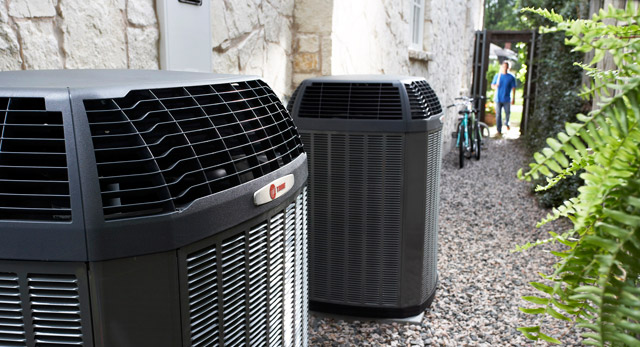
Your HVAC system continuously circulates air throughout your home—pulling it in, conditioning it, and pushing it back out through your vents. This cycle happens dozens of times per day, which means your system has repeated opportunities to filter out airborne particles before they reach your lungs.
However, the same circulation that can clean your air can also spread allergens if your system isn’t properly maintained. A dirty filter, clogged ducts, or a malfunctioning unit can turn your HVAC into an allergen distribution machine rather than a solution.
The key is understanding which components of your HVAC system directly impact air quality—and making sure they’re working as they should.
What Types of Allergens Can an HVAC System Filter Out?
A well-functioning HVAC system can significantly reduce the concentration of several common indoor allergens, including:
- Dust and dust mites: Tiny particles that settle on surfaces and become airborne when disturbed
- Pet dander: Microscopic skin flakes shed by cats, dogs, and other animals
- Pollen: Seasonal outdoor allergens that sneak inside through open doors and windows
- Mold spores: Particularly common in humid climates and can thrive in HVAC components themselves if moisture builds up
- Bacteria and some viruses: High-quality air filtration systems can reduce the presence of certain airborne pathogens
The effectiveness of your system depends heavily on the quality of your air filter and whether your HVAC is regularly serviced.
Choosing the Right Air Filter for Allergy Relief
Not all air filters are created equal. Filters are rated using a MERV (Minimum Efficiency Reporting Value) scale, which ranges from 1 to 16 for residential systems. The higher the MERV rating, the smaller the particles the filter can capture.
- MERV 1–4: Basic fiberglass filters. These catch large debris but do very little for allergens.
- MERV 8–10: Mid-range pleated filters. A solid choice for most households, capturing dust, pollen, and some pet dander.
- MERV 11–13: High-efficiency filters. These are ideal for allergy sufferers, trapping fine particles like mold spores and smaller dander particles.
- MERV 14–16 (HEPA-level): Hospital-grade filtration. Highly effective, though not always compatible with standard residential HVAC systems without modifications.
For most Los Angeles homeowners dealing with seasonal allergies, a MERV 11 or 12 filter strikes the right balance between filtration power and airflow efficiency. Always consult with an HVAC professional before upgrading to a higher-rated filter, as some systems aren’t designed to handle the added airflow resistance.
How Often Should You Change Your HVAC Filter to Reduce Allergens?
This is one of the most common questions homeowners overlook—and one of the most important. A clogged or overloaded filter stops doing its job and can even push contaminants back into your home’s air.
As a general guideline:
- Standard 1-inch filters: Replace every 30–60 days
- Mid-grade pleated filters: Replace every 60–90 days
- Thick 4–5 inch filters: Replace every 6–12 months
If you have pets, live in a dusty area, or someone in your household has asthma or severe allergies, lean toward the more frequent end of that range. In a city like Los Angeles, where wildfire season can spike outdoor particulate levels, more frequent changes during those periods make a real difference.
Beyond Filters: Other HVAC Features That Improve Air Quality
Upgrading your filter is a great start, but there are additional features that can take allergen reduction to the next level.
Air Purifiers and UV Light Systems
Many modern HVAC systems can be fitted with whole-home air purifiers or UV germicidal lights. UV light systems are installed inside the unit and work by neutralizing mold, bacteria, and certain viruses as air passes through. These are particularly useful in humid climates or homes prone to moisture buildup.
Humidity Control
Dust mites and mold thrive in high humidity. Maintaining indoor humidity between 30% and 50% creates an environment that’s far less hospitable to these common allergens. A whole-home dehumidifier integrated with your HVAC system can automate this process without any effort on your part.
Duct Cleaning
Even the best filter won’t compensate for ducts packed with years of accumulated dust, debris, and mold. Professional duct cleaning removes built-up contaminants and ensures your system is circulating clean air—not recycling the allergens sitting inside your vents.
The Role of Regular HVAC Maintenance in Allergy Prevention
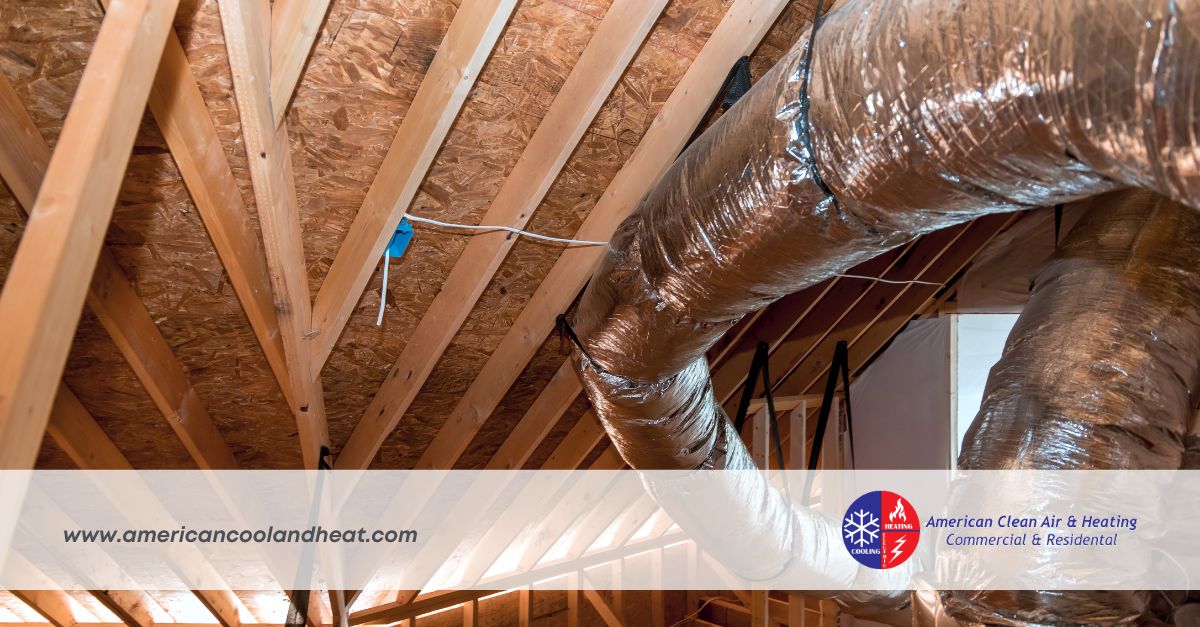
Routine maintenance is the foundation of a clean, efficient, and allergen-reducing HVAC system. A system that hasn’t been serviced in years is far more likely to harbor mold growth, circulate dusty air, and operate in ways that compromise your indoor air quality.
A professional HVAC service visit typically includes:
- Inspecting and cleaning the evaporator and condenser coils
- Checking for moisture issues that could lead to mold growth
- Cleaning and inspecting the blower and air handler
- Evaluating airflow and identifying any duct leaks
- Replacing filters and checking refrigerant levels
At American Cool and Heat, our trained technicians perform thorough maintenance checks designed to keep your system running at peak performance. As Los Angeles’s leading air conditioning repair company, we understand how local conditions—from dry Santa Ana winds to summer heat—affect air quality and HVAC performance. A properly maintained unit doesn’t just run more efficiently; it actively contributes to a healthier home environment and lower energy bills over time.
Simple Steps You Can Take Right Now
While your HVAC system does the heavy lifting, a few complementary habits can make a noticeable difference:
- Keep windows closed during high-pollen days and rely on your HVAC for fresh, filtered air instead
- Vacuum frequently with a HEPA-filter vacuum to reduce surface allergens before they become airborne
- Groom pets regularly to minimize dander accumulation
- Check your vents and registers for visible dust buildup and wipe them down periodically
- Schedule HVAC maintenance at least once a year—ideally before the peak cooling or heating season
Breathe Easier Starting Today
Your HVAC system is one of the most underutilized tools in the fight against indoor allergens. With the right filter, consistent maintenance, and a few smart upgrades, it can transform the air quality in your home from a source of irritation to genuine relief.
If you’re unsure where your system stands, a professional inspection is the fastest way to find out. The team at American Cool and Heat is here to help Los Angeles homeowners get the most out of their systems—cleaner air, lower costs, and total peace of mind.
Ready to breathe better at home? Contact American Cool and Heat today to schedule your HVAC maintenance or consultation.
 Written by: |
Posted in: HVAC