 (818) 722-8634


Signs Your Home Has Poor Indoor Air Quality
Most people assume that staying indoors means staying safe from pollution. The reality? The EPA estimates that indoor air quality can be two to five times more polluted than outdoor air. For Los Angeles homeowners, where windows stay shut during heatwaves and HVAC systems run around the clock, that number can climb even higher.
Poor indoor air quality doesn’t always announce itself with an obvious smell or visible cloud of dust. More often, it creeps up gradually—through persistent headaches, a cough that won’t quit, or allergy symptoms that seem to flare up only when you’re home. These subtle signs are easy to dismiss as unrelated, but together they paint a clear picture of what’s happening in your air.
This post covers eight of the most telling signs that your home’s air quality needs attention, what’s likely causing them, and how to address the problem before it starts affecting your health and your wallet.carbon monoxide
Frequent or Worsening Allergy Symptoms at Home
If your sneezing, itchy eyes, or runny nose are worst inside your home—not outside—your indoor air quality is likely to blame. Common culprits include dust mites, pet dander, pollen that’s been drawn inside through return air vents, and mold spores circulating through your HVAC system.
When a heating or cooling system isn’t regularly maintained, filters become clogged and lose their ability to capture airborne particles. Those particles then recirculate through every room in your house. For allergy and asthma sufferers, this cycle can be genuinely miserable.
Dust Buildup That Returns Shortly After Cleaning
A little dust is inevitable. But if surfaces in your home collect a visible layer of dust within a day or two of cleaning, your HVAC system is almost certainly the source. Dirty air filters, dusty ductwork, and poor system maintenance push particulate matter back into your living spaces continuously.
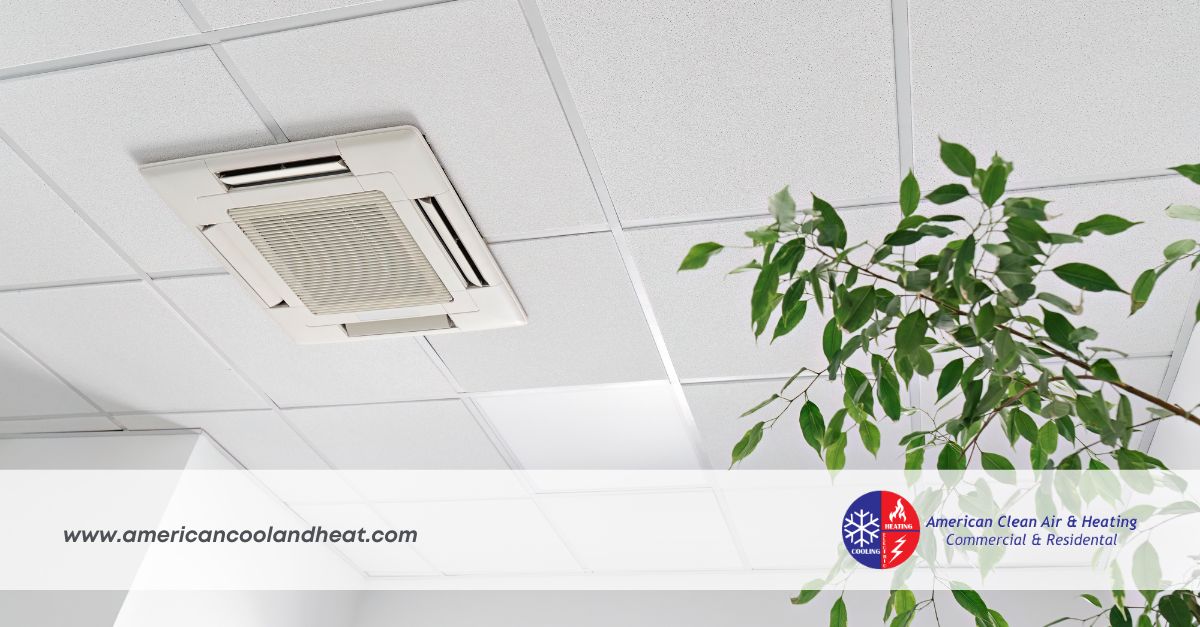
Pay close attention to the area directly beneath ceiling vents. If you notice dark streaks or heavy dust accumulation around vent covers, that’s a strong visual indicator that your system is circulating contaminated air.
Unpleasant or Musty Odors That Linger
A musty smell indoors usually signals mold or mildew growth. Both thrive in humid, poorly ventilated environments—and both can develop inside air ducts, on evaporator coils, and around drain pans inside your HVAC unit without you ever seeing them.
Other odors to watch for include a stale, “closed up” smell that doesn’t improve with ventilation, or a faint chemical scent that may indicate volatile organic compounds (VOCs) off-gassing from furniture, cleaning products, or building materials. A well-functioning HVAC system with clean filters and proper airflow helps flush these compounds out. A neglected one traps them inside.
High Indoor Humidity Levels
Humidity above 50% creates ideal conditions for mold, mildew, and dust mites. You may notice condensation on windows, a damp feeling in the air, or walls and ceilings that feel slightly cool and clammy to the touch.
In Los Angeles, humidity isn’t always the first thing homeowners think about—but coastal neighborhoods and homes with older HVAC systems can struggle with it more than you’d expect. Your air conditioner plays a key role in dehumidification. When it’s undersized, aging, or in need of repair, moisture levels inside your home can rise significantly.
Inconsistent Temperatures Between Rooms
Hot and cold spots throughout your home aren’t just a comfort issue—they’re often a signal that your HVAC system is struggling to distribute air evenly. This can result from blocked or leaking ductwork, a failing blower motor, or a system that’s no longer powerful enough to condition the space it’s serving.
Uneven airflow means some rooms receive filtered, conditioned air while others receive very little. The rooms with poor circulation tend to accumulate more airborne pollutants, humidity, and stagnant air over time.
Increased Headaches, Fatigue, or Difficulty Concentrating
Persistent headaches, brain fog, and unexplained fatigue at home—symptoms that improve when you leave—can point to elevated levels of indoor pollutants like carbon dioxide, VOCs, or carbon monoxide. While carbon monoxide requires immediate professional attention, the more common culprits are simply inadequate ventilation and recirculated stale air.
Good HVAC maintenance keeps fresh air cycling through your home and ensures your system isn’t contributing to the problem. If these symptoms appear in multiple household members around the same time, don’t ignore the pattern.
Visible Mold Around Vents or on Walls
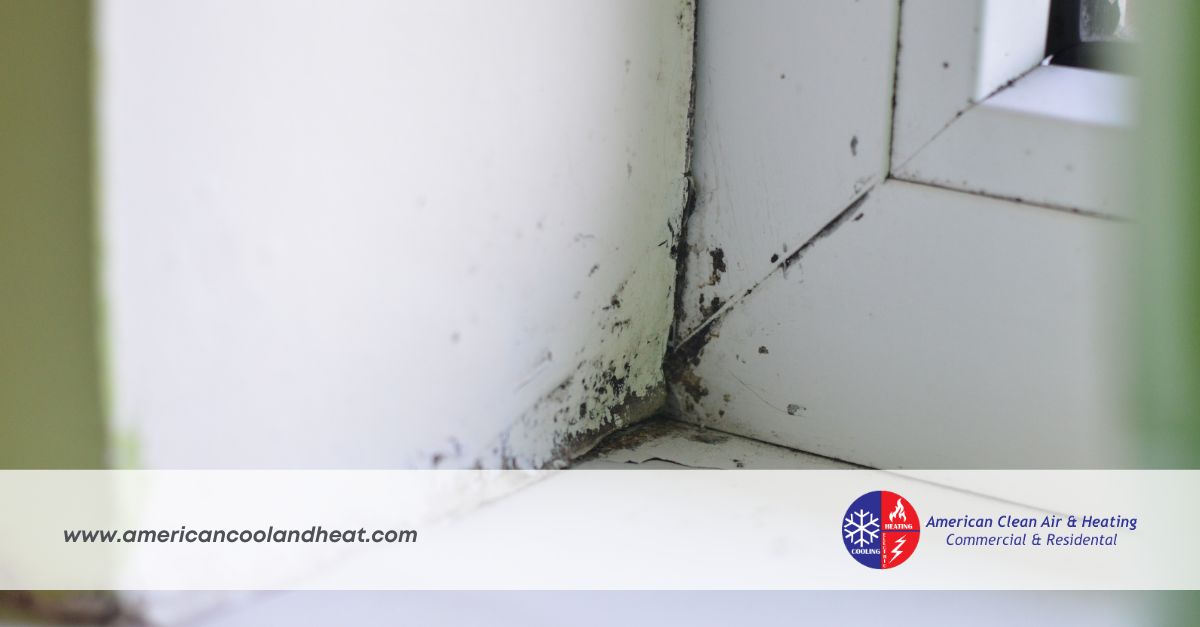
Visible mold growth is one of the clearest warning signs of a serious air quality problem. Dark spots around air vents, on bathroom ceilings, or along window frames indicate that moisture is accumulating and mold spores are already present in your air supply.
Mold spores released into the air are invisible to the naked eye and can trigger respiratory issues, chronic sinus infections, and skin irritation. Once mold establishes itself inside ductwork, it spreads efficiently with every cycle of your system. Professional cleaning and a thorough inspection of your HVAC unit are essential at this stage.
Your HVAC System Is Old or Hasn’t Been Serviced Recently
An HVAC system that hasn’t been professionally serviced in more than a year is one of the single biggest contributors to declining indoor air quality. Dirty coils, clogged filters, and degraded components reduce efficiency and compromise your system’s ability to filter and circulate clean air.
Older units—particularly those more than 10 to 15 years old—may no longer meet current efficiency standards, struggle to maintain consistent airflow, and lack the filtration capacity of modern systems. Regular professional maintenance extends equipment life, reduces energy costs, and keeps the air your family breathes clean and healthy.
What You Can Do to Improve Your Home’s Air Quality
Improving indoor air quality doesn’t have to be complicated. A few targeted steps make a meaningful difference:
- Replace air filters regularly — every 1–3 months depending on usage and household size
- Schedule annual HVAC maintenance — a professional inspection catches issues before they affect your air
- Clean air vents and returns — remove dust buildup from vent covers and the area surrounding them
- Address moisture problems promptly — fix leaks, ensure proper drainage from your AC unit, and use exhaust fans in bathrooms
- Consider an air quality upgrade — UV air purifiers and whole-home filtration systems can significantly reduce contaminants
Breathe Easier With the Right HVAC Partner
Your HVAC system is the lungs of your home. When it’s clean, well-maintained, and properly calibrated, it quietly does its job—filtering pollutants, controlling humidity, and keeping the air your family breathes healthy. When it’s neglected, the effects show up in your health, your comfort, and eventually your energy bills.
At American Cool and Heat, we’ve helped Los Angeles homeowners breathe cleaner, healthier air for years. Our consistently trained technicians provide high-quality service, thorough inspections, and reliable repairs that keep your system running at its best. A well-maintained unit doesn’t just improve air quality—it lowers your expenses and saves you money over time.
If you’ve noticed any of the signs above, don’t wait for the problem to grow. Contact the team at American Cool and Heat to schedule a professional inspection and take the first step toward cleaner air in your home.
 Written by: |
Posted in: AC Maintenance