 (818) 722-8634



Why Does My Heater Smell Like Burning Dust & How Heating Services Help
This is one of the most commonly asked questions of our heating services professionals. Flip on your heater for the first time this season, and you might catch a whiff of something that smells suspiciously like burning dust. Before you panic and shut everything down, know this: it’s one of the most common heating complaints homeowners report every fall and winter.

Is it normal for a heater to smell like burning dust?
Yes, a burning dust smell is often normal, especially during the first use of the season. Dust and debris settle on your heating elements, ductwork, and heat exchanger while the system sits idle during warmer months. When you turn the heater back on, that dust burns off, creating a distinct smell that usually fades within 30 to 60 minutes.
This is particularly common with:
- Forced-air furnaces
- Electric baseboard heaters
- Space heaters that haven’t been used in a while
If the smell disappears after an hour of operation and doesn’t return, your system is likely functioning as expected. If it lingers, intensifies, or returns every time the heater cycles on, that’s when it’s worth investigating further.
What causes a persistent burning dust smell from a heater?
When the smell doesn’t go away, several culprits could be at play. Understanding the difference between a quick fix and a bigger issue can save you time, money, and potential safety risks.
A dirty or clogged air filter
A dirty air filter is one of the most common causes of ongoing burning smells. When dust and debris accumulate on the filter, airflow becomes restricted. This forces your heater to work harder, which can cause components to overheat and produce a persistent burning odor.
Fix: Check your filter monthly during heating season and replace it every 60 to 90 days, or more frequently if you have pets or allergies. A clean filter not only resolves odor issues but also improves energy efficiency and indoor air quality.
Dust buildup on heating elements
For electric heaters and baseboard units, dust can accumulate directly on the heating coils. Unlike the brief “first-use” smell, this buildup can cause a recurring odor every time the unit cycles on, particularly if the space hasn’t been cleaned in a while.
Fix: Turn off and unplug the unit, then gently vacuum visible dust from vents and coils using a soft brush attachment. Avoid using water or cleaning sprays directly on electrical components.
Overheating motor or electrical components
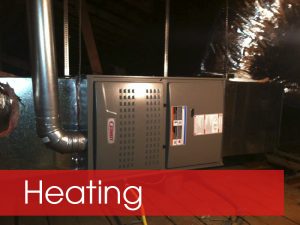
If the smell resembles burning plastic or rubber rather than dust, you may be dealing with an electrical issue. Overheating motors, frayed wiring, or a failing blower can produce acrid smells that differ noticeably from the dusty odor of a seasonal startup.
Fix: This is not a DIY fix. An electrical smell is a safety concern, so turn off the system immediately and contact a licensed HVAC technician. According to the National Fire Protection Association, heating equipment is a leading cause of U.S. home fires during winter months, making it critical not to ignore unusual burning smells (NFPA, 2023).
Mold or mildew mixed with dust
Sometimes what smells like burning dust is actually a musty or mildew odor intensified by heat. This often happens when moisture has built up in ductwork or around the furnace, especially in humid climates or homes with poor ventilation.
Fix: If the odor smells more musty than dusty, schedule a duct inspection. Mold growth in HVAC systems can affect indoor air quality and should be addressed by a professional cleaning service.
A failing heat exchanger
In gas furnaces, a cracked or failing heat exchanger can produce burning smells along with other symptoms like soot buildup, visible cracks, or a yellow (rather than blue) pilot light flame. This is a serious issue, as a damaged heat exchanger can leak carbon monoxide into your home.
Fix: Install carbon monoxide detectors near sleeping areas if you haven’t already, and schedule an immediate inspection if you suspect heat exchanger damage. Choose professional inspection over DIY troubleshooting here, since carbon monoxide exposure poses serious health risks and requires specialized detection equipment.
When should I turn off my heater due to a burning smell?
Turn off your heater immediately if you notice any of the following:
- The smell persists for more than an hour after startup
- You smell burning plastic, rubber, or an acrid chemical odor
- The smell is accompanied by visible smoke
- You hear unusual noises like grinding, screeching, or popping
- Your carbon monoxide detector sounds an alarm
- The smell returns consistently every time the system cycles
Choose immediate professional inspection over continued use if any of these signs appear, since operating a malfunctioning heater can create fire hazards or expose your household to carbon monoxide.
How can I prevent burning smells from my heater in the future?
Prevention comes down to consistent maintenance. Here’s what homeowners can do throughout the year:
- Replace or clean filters regularly. This is the single most effective way to prevent dust buildup and maintain airflow.
- Schedule annual HVAC maintenance. A professional tune-up before heating season catches small issues before they become costly repairs.
- Keep vents and registers clear. Furniture, curtains, and rugs blocking vents can cause heat to build up around components.
- Clean around baseboard heaters and space heaters. Dust accumulates quickly in these units since they sit close to the floor.
- Install carbon monoxide detectors. These provide an added layer of safety for gas-powered heating systems.
- Address musty smells early. Don’t wait for mold to spread through your ductwork before scheduling an inspection.
Why professional heating maintenance matters
While some causes of burning dust smells are harmless and resolve on their own, others point to issues that only a trained technician should diagnose. Heating systems involve electrical components, combustion processes, and ventilation systems that can pose real risks when something goes wrong.
At American Cool and Heat, we specialize in providing high-quality heating and air conditioning service and reliability across Los Angeles. As a leading air conditioning repair and installation company in the area, we train our staff consistently to stay current with the latest HVAC safety standards and repair techniques.
A properly maintained heating unit doesn’t just eliminate unpleasant smells. It also delivers cleaner, healthier air throughout your home while helping you lower your energy expenses. Our clients consistently tell us that regular maintenance pays for itself through improved efficiency and fewer unexpected repairs.
Keep your home safe and your air clean
A burning dust smell from your heater is usually nothing to worry about, especially at the start of the season. But persistent odors, unusual smells, or warning signs like strange noises and visible smoke deserve prompt attention.
If you’ve noticed a lingering burning smell that won’t go away, don’t wait for a small issue to become a costly repair or a safety hazard. Contact American Cool and Heat today to schedule an inspection and keep your heating system running safely all season long.
Frequently Asked Questions
How long should the burning smell last when I first turn on my heater?
A burning dust smell at the start of heating season typically lasts between 30 minutes and an hour as dust burns off internal components. If the smell continues beyond that window, it’s worth investigating further.
Is a burning smell from my heater dangerous?
It depends on the source. A brief dusty smell during startup is normal and not dangerous. However, smells resembling burning plastic, rubber, or chemicals can indicate an electrical issue or mechanical failure that poses a fire or safety risk.
How much does it cost to fix a heater that smells like burning?
Costs vary widely depending on the cause. Replacing an air filter costs very little, while repairing a motor, wiring, or heat exchanger can range from moderate to significant expense. A professional inspection will provide an accurate estimate based on your specific system.
Can I clean my heater myself to get rid of the smell?
Basic maintenance, like replacing filters and dusting visible vents, is safe for most homeowners to handle. However, internal cleaning, electrical repairs, or heat exchanger issues should always be handled by a licensed HVAC technician.
What’s the difference between a burning dust smell and a gas smell?
A burning dust smell is typically mild and dissipates with use. A gas smell, often described as sulfuric or like rotten eggs, indicates a potential gas leak and requires immediate action: turn off your system, leave your home, and contact your gas company or emergency services right away.
 Written by: |
Posted in: Heating