Is Your HVAC a Fire Hazard? Essential Tips for Prevention

When the temperature spikes outside, the hum of an air conditioner is a comforting sound. We rely on our HVAC system to keep our homes livable during the sweltering summer months and warm during the freezing winter. However, few homeowners stop to consider the mechanics keeping them comfortable until the system fails completely. Even fewer consider that their heating and cooling unit could pose a safety risk.

While rare compared to cooking or candle fires, HVAC-related fires do happen. They are often the result of neglected maintenance, system overheating, or electrical failures. The machinery that conditions your air involves high-voltage electricity, friction-generating motors, and heat-producing elements. When these components are pushed beyond their limits due to dirt, blockages, or wear, the risk of overheating rises significantly.

Understanding the root causes of thermal stress in your unit is the first step toward a safer home. By recognizing the dangers of blocked vents, dirty coils, and restricted airflow, you can prevent costly repairs and potential disasters. Here is everything you need to know to keep your system running cool and safe.

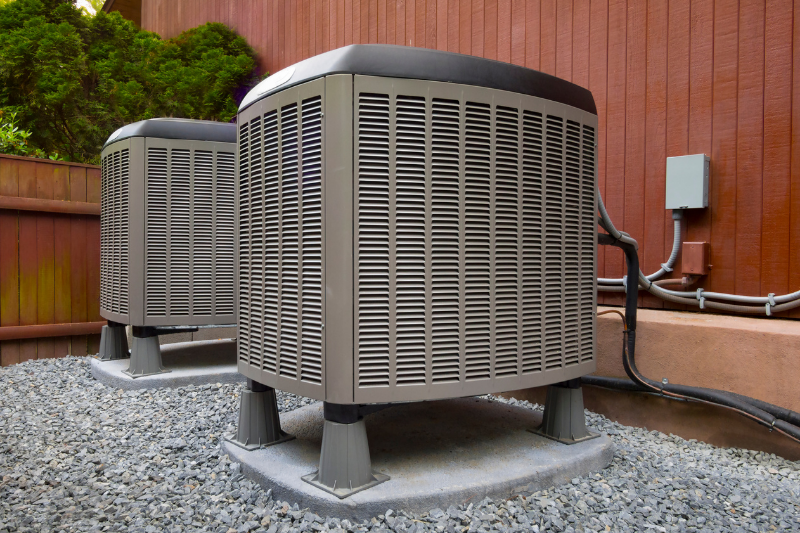
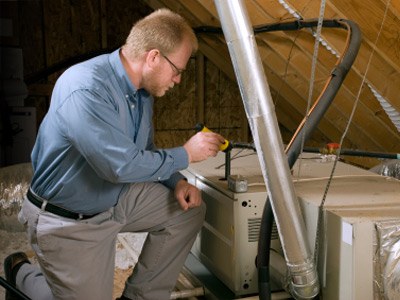
HVAC system

Understanding Thermal Safety and Airflow

To prevent overheating, it helps to understand how your HVAC system works. At its core, an HVAC system is a breathing machine. It pulls air in, conditions it (heats or cools it), and pushes it back out. This cycle relies entirely on unrestricted airflow.

When air moves freely, it passes over the internal components, helping to regulate their temperature. The blower motor, which is responsible for pushing the air through the ducts, generates heat as it runs. In a healthy system, the moving air cools the motor.

However, if that airflow is choked off, the system has to work much harder to achieve the same results. The motor spins longer and struggles against higher pressure. This friction and electrical strain generate excessive heat. If the internal temperature gets too high, it can melt wiring, damage the compressor, or potentially ignite dust and debris accumulated inside the unit.

Modern systems have safety switches designed to shut the unit down if it gets too hot. But relying on these safety fail-safes is dangerous. If a limit switch fails, or if the overheating happens in an electrical component not monitored by the switch, the results can be hazardous.

The Myth of Closing Vents

One of the most common causes of HVAC overheating is actually a homeowner habit born from good intentions. Many people believe that closing the vents in unused rooms will save energy and force more air into the rooms they are using.

Unfortunately, residential HVAC systems are not designed to work this way. They are “balanced” systems. The blower fan is sized to push a specific amount of air against a specific amount of pressure.

Why Closed Vents Create Heat

When you close vents, you aren’t saving air; you are increasing the static pressure within the ductwork. Imagine trying to blow air through a straw, and then pinching the straw halfway shut. You have to blow much harder to get any air out, and your face turns red from the effort.

Your blower motor experiences the same stress. The increased back-pressure forces the motor to work harder, drawing more amperage and generating more heat. Over time, this can burn out the motor or cause the heat exchanger to crack (in furnaces), which creates a risk of carbon monoxide leaks and fire.

To ensure thermal safety, keep at least 80% of your home’s vents open at all times. Additionally, ensure that furniture, heavy drapes, or rugs are not blocking the return air vents. These large vents are responsible for pulling air back into the system. If the system can’t “inhale,” it will overheat just as quickly as if it can’t “exhale.”

The Danger of Dirty Coils and Filters

If airflow is the lifeblood of your HVAC system, cleanliness is its immune system. Dust, dirt, and pet hair are the enemies of safe operation.

The Air Filter

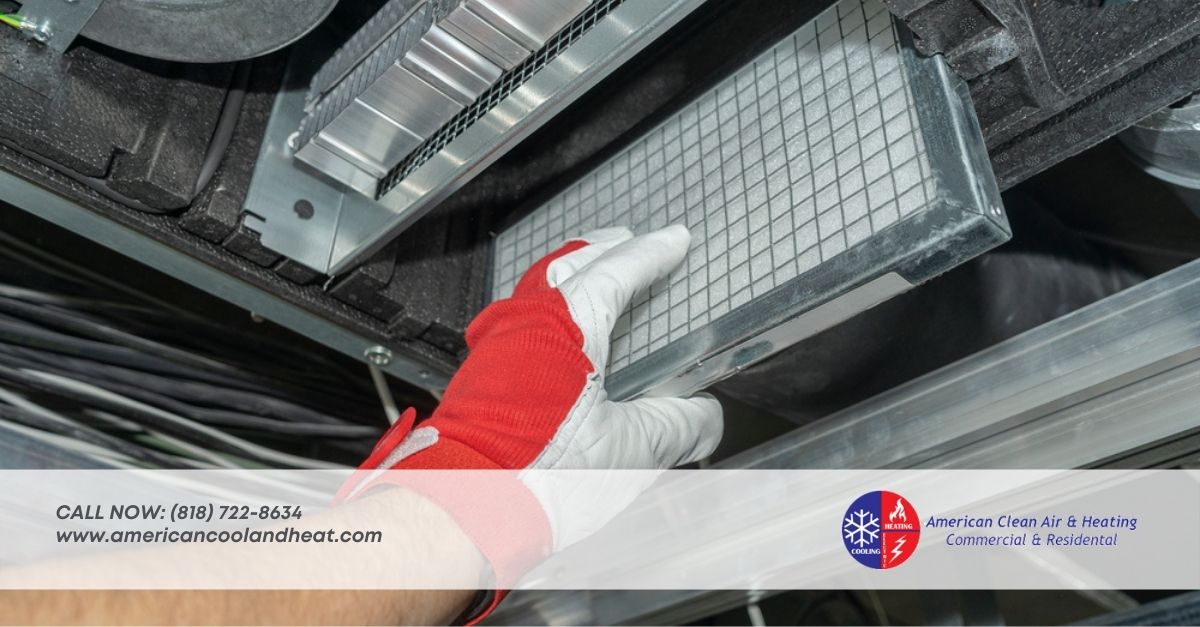
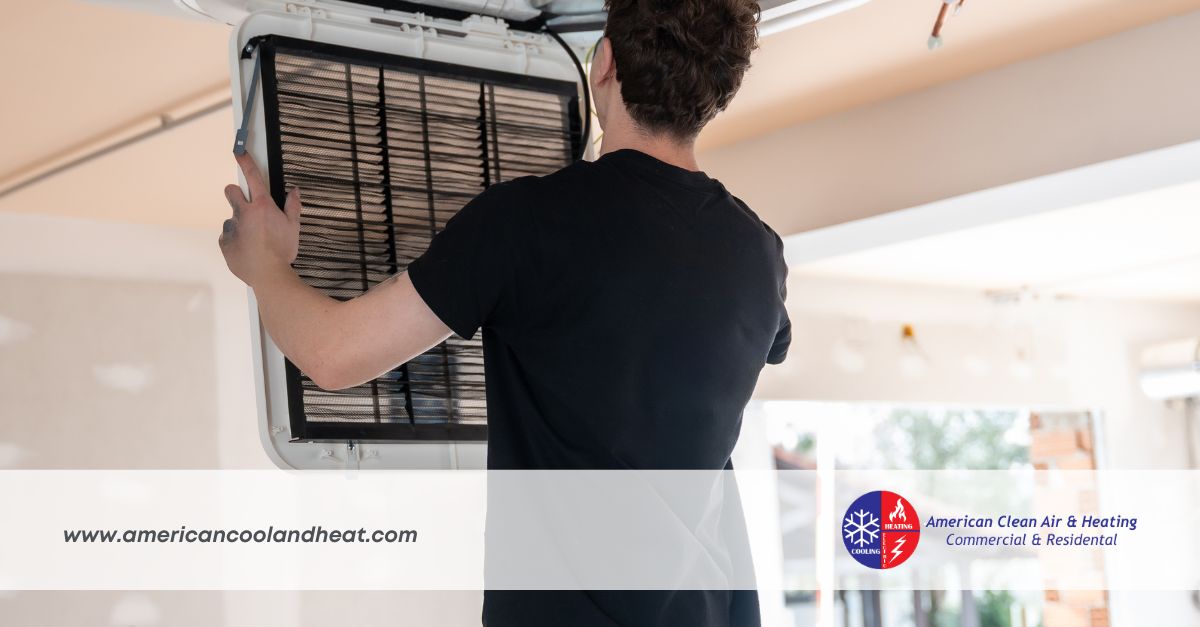
The air filter is your primary defense against overheating. Its job is to trap particulates before they enter the sensitive machinery of your HVAC unit. When a filter becomes clogged with a thick layer of gray dust, air cannot pass through it effectively.

As we established, no airflow means no cooling for the motor. A severely clogged filter is one of the leading causes of frozen evaporator coils and overheated blower motors. Check your filter every 30 days and replace it at least every 90 days—sooner if you have pets.

The Evaporator and Condenser Coils

Beyond the filter, you have the coils. Your air conditioner has two main sets of coils: the evaporator coil (inside) and the condenser coil (outside). These coils are responsible for transferring heat.

If the indoor evaporator coil gets coated in dust because of a poor filter, it can’t absorb heat from your home. The system will run continuously, trying to reach the temperature set on the thermostat, never cycling off. This continuous operation puts immense strain on the electrical components.

The outdoor condenser coil faces different threats. It is exposed to the elements, meaning it collects dirt, pollen, leaves, and grass clippings. When this outdoor unit is choked by debris, it cannot release the heat it has collected from inside your house. The compressor—the heart of the A/C unit—will begin to overheat. A compressor failure is not only an expensive repair; an overheating compressor can damage the wiring connected to it, leading to electrical arcing and fire risks.

Managing the Area Around Your Unit

Fire safety extends to the immediate area surrounding your heating and cooling equipment.

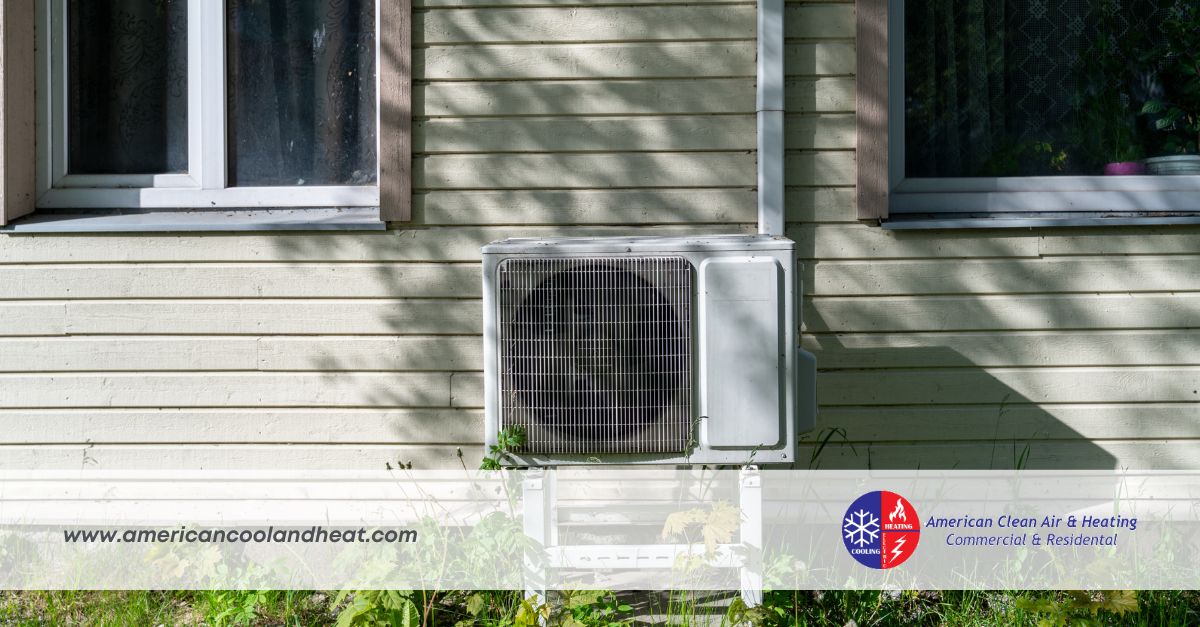
For the outdoor unit, maintain a clearance of at least two feet on all sides. Trim back bushes, remove tall grass, and clear away dead leaves. This ensures proper airflow and removes dry, flammable material from being too close to a hot machine.

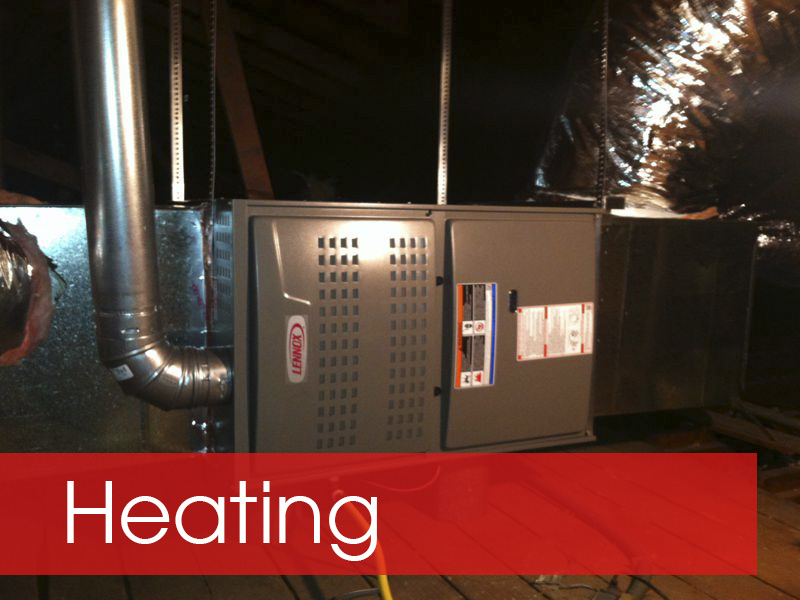
For indoor units (often located in attics, basements, or utility closets), the rule is the same. It is tempting to use the utility closet as extra storage for brooms, cleaning chemicals, or boxes of holiday decorations. However, crowding your furnace or air handler creates a fire hazard.

Furnaces, in particular, require oxygen to burn fuel. If you store flammable items (like paint thinner or gasoline) near the unit, the pilot light or burner could ignite the fumes. Even non-flammable items can block the air intake, leading to incomplete combustion and overheating. Keep the area around your indoor unit clean, clear, and empty.

Recognizing the Warning Signs

Your HVAC system will usually tell you if it is struggling before it catches fire. Being vigilant about these signs can save your home.

  1. Burning Smells
    This is the most obvious sign. If you turn on your heat for the first time in winter, a slight “dust burning” smell is normal for a few minutes. However, if you smell burning plastic, rubber, or an electrical ozone scent, shut the system off immediately. This often indicates melting wire insulation or an overheating motor.
  2. Tripped Breakers
    Circuit breakers are safety devices designed to cut power when a circuit draws too much electricity. If your HVAC unit keeps tripping the breaker, it is drawing more power than it should—likely because a component is overheating or seizing up. Do not keep flipping the breaker back on; call a professional.
  3. Strange Noises
    A humming or buzzing sound from the motor that doesn’t result in the fan turning can indicate a seized motor or a bad capacitor. Both issues generate high heat. Screeching sounds often mean dry bearings, which cause friction and heat.
  4. Short Cycling
    If your unit turns on, runs for a few minutes, and shuts off before the house is comfortable, it might be “short cycling.” This often happens because the safety limit switch detects overheating and cuts the power. Ignoring this cycle can lead to permanent damage.

The Role of Professional Maintenance

While changing a filter and clearing vents are excellent DIY steps, true fire prevention requires professional eyes. Electrical connections loosen over time due to vibration. Wires fray. Capacitors degrade. These are issues the average homeowner cannot see or safely fix.

Routine professional maintenance involves tightening electrical connections, measuring the voltage and amperage of motors, checking refrigerant levels, and deep cleaning the coils. A technician can spot a capacitor that is on the verge of failure or a wire that is rubbing against a sharp metal edge. Regular servicing of your HVAC system not only improves efficiency but also plays a critical role in preventing overheating and reducing potential fire hazards.

American Clean Air and Heating offers fast, dependable HVAC services you can rely on to handle these inspections. With full-service maintenance and installation, our team ensures that every component of your system is operating within safe parameters. We don’t just fix problems; we prevent them.

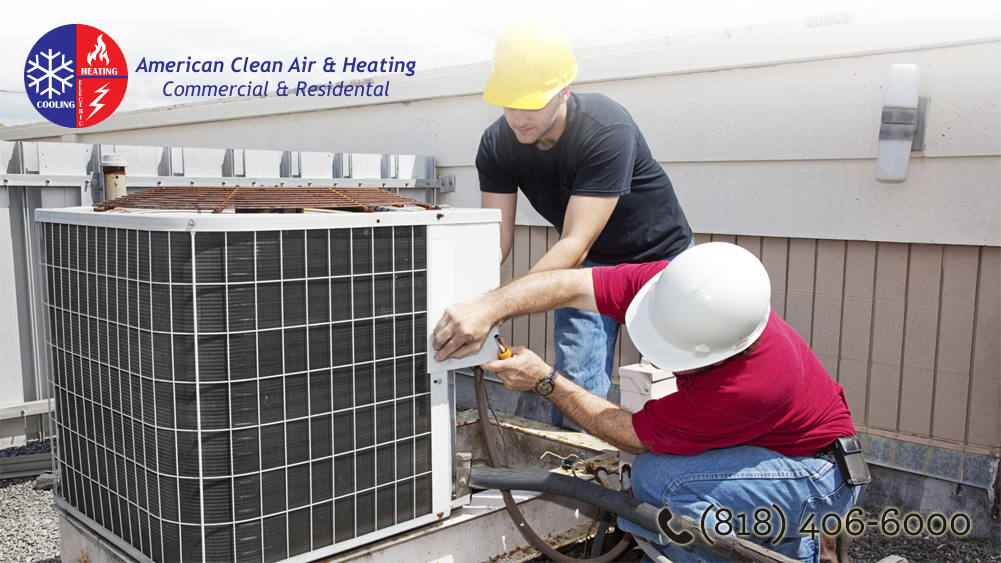
Routine Maintenance Heating Ventilation Air Conditioning

Prioritizing Safety in Your Home

An HVAC unit is a powerful piece of technology that works tirelessly to keep you comfortable. But like any machine that combines electricity, heat, and moving parts, it demands respect and care.

By keeping your vents open, your filters changed, and your coils clean, you significantly reduce the thermal stress on your system. However, the best defense against overheating and fire risks is a partnership with a trusted professional. Don’t wait until you smell smoke or the A/C stops working on the hottest day of the year.

If you suspect your system is overheating, or if it has been more than a year since your last inspection, take action now. Contact American Clean Air and Heating today to schedule a safety check and enjoy the peace of mind that comes with a safe, efficient home.

Why Mold in Your HVAC is More Dangerous Than You Think

Your home is supposed to be your sanctuary—a safe place where you can relax, unwind, and breathe easy. But for many families, the HVAC system designed to keep them comfortable is silently circulating an invisible threat.

When we think of air pollution, we usually picture smoggy city skylines or exhaust fumes on the highway. However, the air inside our homes can be up to five times more polluted than outdoor air. One of the biggest culprits? Mold lurking inside Heating, Ventilation, and Air Conditioning (HVAC) systems.

While a little dust on a vent might seem harmless, mold growth within the ductwork or the AC unit itself is a serious issue. It transforms your cooling system from a comfort provider into a spore-distribution machine, constantly cycling irritants into every room of your house. For young children, the elderly, and anyone battling seasonal allergies, this can turn a comfortable home into a daily health struggle.

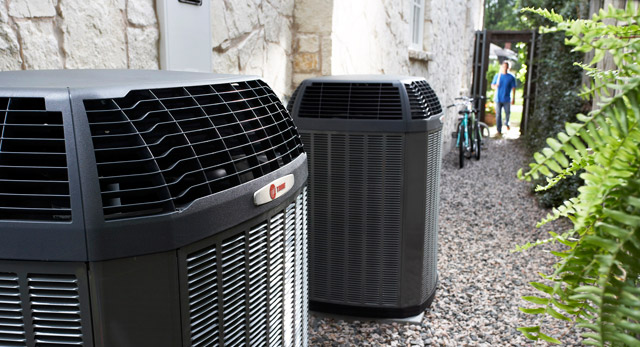
HVAC UNIT

How Your HVAC Becomes a Superhighway for Spores

Mold needs three things to thrive: moisture, a food source (like dust or organic matter), and darkness. Unfortunately, the interior of an air conditioning system often provides the perfect trifecta.

Condensation coils can collect moisture if not draining properly. Ducts, especially those in humid areas or attics, can develop leaks that let in damp air. Once mold establishes a colony inside these hidden spaces, your HVAC system inadvertently becomes its transportation network.

Here is what happens every time your thermostat clicks on:

  1. Disturbance: The rush of air moving through the ducts disturbs the mold colonies.
  2. Release: This airflow breaks off microscopic spores and sends them airborne.
  3. Circulation: The system pushes these spores out through the vents and into your living spaces—bedrooms, kitchens, and living rooms.
  4. Recirculation: The return vents pull the air back in, and the cycle repeats, concentrating the level of contaminants over time.

Because modern homes are built to be energy-efficient and airtight, these spores have nowhere to go. They remain trapped inside, settling on furniture, carpets, and bedding, waiting to be inhaled.

The Health Impact: More Than Just a Sneeze

Breathing in mold spores isn’t good for anyone, but certain groups are significantly more vulnerable. The symptoms often mimic a never-ending cold or seasonal allergies, making it difficult to pinpoint the HVAC system as the root cause.

The Effect on Allergy and Asthma Sufferers

For the millions of people who suffer from respiratory conditions, mold is a major trigger. When spores are inhaled, the immune system identifies them as foreign invaders and launches a defense. This reaction manifests as:

  • Persistent coughing and wheezing
  • Watery, itchy eyes
  • Congestion and runny nose
  • Throat irritation
  • Skin rashes or hives

For asthmatics, the stakes are even higher. Continuous exposure to mold-laden air can lead to severe asthma attacks and a general decline in lung function over time.

Why Children Are at Higher Risk

Children are not just miniature adults; their bodies are still developing. Their lungs are smaller, and they breathe more rapidly than adults, meaning they inhale a larger volume of air relative to their body size.

If that air is contaminated with mold spores from a dirty HVAC system, it places a heavy burden on their developing respiratory systems. Long-term exposure to indoor mold has been linked to the development of asthma in children who previously showed no symptoms. Furthermore, because children spend a significant amount of time playing on the floor where heavier spores settle, their exposure levels can be higher than the adults in the home.

Toxic Mold Syndrome

While common molds (like Cladosporium or Alternaria) usually cause allergic reactions, other types produce mycotoxins. Black mold (Stachybotrys chartarum) is the most infamous example. Exposure to these toxins can lead to more severe neurological and physical symptoms, including chronic fatigue, headaches, difficulty concentrating (“brain fog”), and persistent nausea.

Warning Signs Your System Might Be Contaminated

Since you cannot easily see inside your ductwork, how do you know if mold is the problem? Your home and your body will often give you clues.

  • Musty Odors: A persistent, earthy smell that gets stronger when the AC turns on is a classic sign of mold growth near the blower or in the ducts.
  • Visible Growth: Black or green specks around the air vents are a major red flag. If it is on the vent, it is likely deeper in the system too.
  • Unexplained Illness: If your family feels sick at home but better when they leave the house (for work, school, or vacation), your indoor air quality is likely the culprit.
  • High Humidity: If your home feels clammy or humid even when the AC is running, your system isn’t dehumidifying properly, creating an environment where mold loves to grow.

Taking Action for Cleaner Air

Ignoring potential mold growth won’t make it go away; in fact, the colonies will only spread further through the system. If you suspect your HVAC is compromising your health, professional intervention is necessary. This usually involves a thorough inspection of the coils, drip pans, and ductwork, followed by professional cleaning and remediation.

Regular maintenance is the best defense. Changing filters frequently helps catch larger particles before they enter the system, and ensuring your condensate drain line is clear prevents water backup.

Central air

Breathe Easier with American Clean Air and Heating

Your home comfort system shouldn’t be a source of stress or sickness. Don’t wait until your cooling system fails during the peak of summer or until your allergies become unbearable. If you’ve noticed performance issues, rising energy bills, strange smells, or unusual behavior from your air conditioner, it’s time to reach out.

American Clean Air and Heating offers fast, dependable AC repair Glendale residents can rely on, along with full-service maintenance and installation. We are proud to serve the people and businesses of our community, ensuring your indoor air is clean, cool, and safe for the whole family.

Your HVAC Air Filter: The Key to Better Health and Lower Bills

It is easy to forget about the rectangular vent in your hallway or ceiling. For many homeowners, the air filter is an “out of sight, out of mind” component of their home maintenance checklist. It often goes unnoticed until a technician pulls out a gray, clogged square of fiberglass during an annual inspection.

However, that simple screen is one of the most critical components of your entire home comfort system. It serves a dual purpose that affects your daily life in significant ways. First, it acts as a gatekeeper for the air you and your family breathe. Second, it serves as a crucial line of defense for the expensive machinery heating and cooling your home.

Neglecting this inexpensive component can lead to expensive repairs and uncomfortable living conditions. Understanding exactly what your air filter does—and why it needs regular attention—is the first step toward a healthier home and a longer-lasting HVAC system.

air filter

Shielding Your Indoor Air Quality

The primary job of an air filter, from a health perspective, is to trap particulate matter. Every time your system runs, it pulls air from your rooms, cycles it through the unit to heat or cool it, and pushes it back out. Without a filter, that air would carry a heavy load of contaminants.

Trapping Dust and Allergens

Your home is constantly generating dust, skin cells, and lint. If you have pets, you can add dander and fur to that mix. During pollen season, outdoor allergens find their way inside every time you open a door or window.

A clean air filter captures these microscopic invaders. As air passes through the tight weave of the filter material, particles get stuck. This process significantly reduces the amount of irritants circulating in the air you breathe. For family members with asthma, seasonal allergies, or respiratory sensitivities, a high-quality filter is essential for maintaining a comfortable indoor environment.

Preventing Mold and Bacteria Spread

Beyond simple dust, damp environments within an HVAC system can sometimes become breeding grounds for mold or bacteria. A functional filter stops organic matter from settling on the moist components inside your AC unit, such as the evaporator coil. By keeping these internal parts clean, you reduce the food source for mold, effectively helping to stop spores from circulating through your ductwork.

The Impact on System Mechanics and Airflow

While protecting your lungs is vital, the air filter was originally designed to protect the HVAC equipment itself. The mechanics of heating and cooling rely entirely on smooth, consistent airflow. A clogged filter disrupts this delicate balance and can cause a domino effect of mechanical failures.

The Dangers of Restricted Airflow

As a filter does its job, it fills up with debris. If left unchanged, the material becomes so dense with dust that air struggles to pass through. This forces your blower fan to work much harder to pull the necessary amount of air into the system.

This struggle creates excessive strain on the motor. Over time, this added stress can cause the blower motor to burn out, leading to a complete system failure that requires expensive repairs.

Overheating and Freezing

It might seem contradictory, but a clogged filter can cause both overheating and freezing, depending on the season:

  1. Heating Season (Overheating): In a furnace, cool air is blown over a heat exchanger to warm it up. If airflow is restricted, the heat exchanger cannot dissipate its heat. The internal temperature rises rapidly, often tripping a safety limit switch that shuts the furnace down to prevent a fire. Repeated overheating damages the heat exchanger, which is one of the costliest parts to replace.
  2. Cooling Season (Freezing): In an air conditioner, warm air blows over cold evaporator coils to remove heat. When airflow is blocked, the coils get too cold because there isn’t enough warm air to moderate their temperature. Condensation on the coils freezes, turning your AC unit into a block of ice and completely halting its ability to cool your home.

Energy Efficiency and Utility Costs

A dirty filter hits your wallet before the repair bill even arrives. Because your system has to run longer and work harder to push air through a blockage, it consumes significantly more energy.

According to the Department of Energy, replacing a dirty, clogged filter with a clean one can lower your air conditioner’s energy consumption by 5% to 15%. Over the course of a hot summer or a cold winter, that efficiency loss adds up. You end up paying a premium for a system that is struggling to keep your home comfortable.

Choosing the Right Level of Protection

Not all filters are created equal. They are rated by a Minimum Efficiency Reporting Value (MERV), which measures how effectively they trap particles.

  • MERV 1-4: These are standard fiberglass filters. They catch large particles like lint and dust mites but do little for smaller allergens. They offer maximum airflow but minimum filtration.
  • MERV 5-8: These are common pleated filters. They strike a good balance for most residential homes, catching mold spores and pet dander without restricting airflow too much.
  • MERV 9-12: These are superior filters often used in commercial buildings or homes with severe allergy sufferers. They trap smaller particles like fine dust and auto emissions.

A Note of Caution: It is important to check your HVAC manual before buying the highest-rated filter. A filter with a very high MERV rating has a tighter weave, which can restrict airflow even when clean. If your system isn’t built to handle that level of resistance, you might inadvertently cause the same airflow problems you are trying to avoid.

Recognizing When to Change Your Filter

Standard advice suggests changing your filter every 90 days, but this varies based on your lifestyle. You likely need to change it more frequently—perhaps every month—if you:

  • Have dogs or cats (especially those that shed).
  • Live in a dusty or high-pollen area.
  • Have residents with allergies.
  • Run your system constantly.

Visual inspections are your best tool. If the filter looks gray and fuzzy, swap it out. If you notice more dust settling on your furniture than usual, or if your system seems louder than normal, check the filter immediately.

AC filter

Prioritizing Maintenance for Long-Term Comfort

The air filter is a small guardian with a massive responsibility. It stands between your family and poor air quality, and between your bank account and major HVAC repairs. By keeping this simple component clean, you ensure your home stays cool in the summer, warm in the winter, and healthy year-round.

If you are unsure which filter is right for your specific system, or if you suspect a dirty filter has already caused strain on your unit, professional help is available. American Clean Air and Heating offers fast, dependable HVAC services you can rely on. From full-service maintenance to new installations, we ensure your system runs safely and efficiently.

Heat Pump Myths: What SoCal Homeowners Get Wrong

Living in Southern California comes with plenty of perks. We enjoy year-round sunshine, proximity to beautiful beaches, and winters that the rest of the country envies. However, locals know that once the sun goes down in January or February, the temperature drops significantly. It might not be snowing, but it is certainly cold enough to make you reach for the thermostat. When it comes to heating your home, there is a lot of confusing information out there. Traditional furnaces have been the standard for decades, but heat pumps are quickly gaining traction as a superior alternative. Unfortunately, outdated information and stubborn myths often keep homeowners from making the switch. You might have heard that they don’t work in the cold, or that they are too expensive to run.

If you are considering upgrading your HVAC system or are simply tired of high energy bills during the cooler months, it is time to clear the air. Let’s separate fact from fiction and explore why a heat pump might actually be the perfect match for the Southern California climate.

Heat Pumps

How a Heat Pump Actually Works

Before we bust the myths, it helps to understand what a heat pump actually is. The name is slightly misleading because this equipment doesn’t just pump heat—it moves it.

Think of a heat pump as a heat transporter. In the summer, it acts exactly like a central air conditioning system. It absorbs heat from inside your home and pushes it outside, leaving you with cool, conditioned air. In the winter, it simply reverses the process. It finds heat energy in the outdoor air (yes, there is heat energy even when it’s chilly out) and transfers it inside to warm your home.

Because it moves heat rather than generating it by burning fuel like a furnace does, it can be incredibly efficient. Now, let’s tackle the misconceptions that give this technology a bad rap.

Myth #1: Heat Pumps Don’t Work in Cold Weather

This is perhaps the most persistent myth of all. It likely stems from older technology that struggled when temperatures dropped below freezing. Decades ago, if you lived in a region with heavy snowfall, a heat pump might have had trouble keeping up without a backup heating source.

The Reality:
Modern heat pump technology has advanced drastically. Today’s high-efficiency systems are capable of extracting heat from the air even when temperatures dip well below freezing.

But here is the most important part for you: Southern California is the “Goldilocks” zone for heat pumps. We rarely, if ever, see the sub-zero temperatures that challenge these systems. In our climate, where winter lows typically hover in the 40s or 50s, a heat pump operates at peak efficiency. It doesn’t have to work very hard to pull heat from 50-degree air, making it arguably the most effective heating solution for our specific region.

Myth #2: They Are Too Expensive to Operate

Many homeowners equate electric heating with high costs. If you are thinking of old-school electric resistance baseboard heaters or portable space heaters, you are right—those are expensive to run. They consume a massive amount of electricity to create heat.

The Reality:
Heat pumps are not the same as electric resistance heaters. Because they transfer heat rather than creating it from scratch, they can deliver one-and-a-half to three times more heat energy to a home than the electrical energy they consume.

In terms of efficiency, this beats out even the best high-efficiency gas furnaces. While electricity rates vary, the sheer efficiency of the heat pump often translates to lower monthly utility bills, especially during our mild winters. You aren’t burning gas; you are simply powering a fan and a compressor to move warmth from point A to point B.

Myth #3: You Need a Separate AC Unit for Summer

The term “heat pump” suggests a device that only heats. This leads many homeowners to believe they need to buy a heat pump for winter and a separate air conditioning unit for our scorching SoCal summers.

The Reality:
A heat pump is a two-in-one system. It is a central air system that covers both your heating and cooling needs. When you install a heat pump, you are essentially installing a top-tier air conditioner that happens to have a reverse gear.

This simplifies your home maintenance significantly. You don’t need to worry about maintaining a furnace and an AC unit. You have one system, one filter to change, and one unit to service. For homes with limited space for equipment, this consolidation is a major advantage.

Myth #4: Heat Pumps Are Noisy and Bulky

Some people associate HVAC equipment with the loud, rattling metal boxes of the past that sit in the backyard and disrupt backyard barbecues.

The Reality:
Technology has made HVAC equipment quieter and more compact. Modern heat pumps, especially high-efficiency models, are designed with sound-dampening technology. Many units run at a decibel level comparable to a quiet conversation.

Furthermore, if you don’t have existing ductwork, you aren’t out of luck. “Ductless” mini-split heat pumps are available. These allow you to mount sleek units on the wall in specific rooms, offering zoned temperature control without the need for bulky ducts in the attic or crawlspace. Whether you need a rooftop unit or a standard split system, the hardware is much less intrusive than it used to be.

Myth #5: The Air Doesn’t Feel “Warm”

Homeowners who are used to gas furnaces are accustomed to a blast of hot air coming from the vents. When the furnace kicks on, it feels like a hair dryer. Because heat pumps operate differently, some people claim they blow “cold” air.

The Reality:
It is true that heat pumps generally release air at a lower temperature than a gas furnace—typically around 95–100°F, compared to the 130°F+ of a furnace. However, 100°F is still well above your body temperature.

The difference is in the delivery. Furnaces tend to blast hot air for short periods and then shut off, creating a cycle of hot and cold spots. Heat pumps run for longer cycles at a lower, more consistent speed. This creates a steady, even warmth throughout the house without the stuffy, dry feeling that furnaces can sometimes create. It is a more comfortable, balanced heat.

The Importance of Professional Installation and Maintenance

While the technology is sound, a heat pump is only as good as its installation. These systems require precise sizing and skilled setup to function correctly. An oversized unit will short-cycle (turn on and off too frequently), leading to wear and tear, while an undersized unit will run constantly and fail to keep you warm.

This is where finding the right partner matters. You need a team that understands ductwork, thermostat controls, and load calculations specific to Southern California homes.

At American Cool & Heat, we specialize in ensuring your system is tailored to your home’s specific needs. Whether you are looking for a new installation, a system relocation, or repairs on an existing unit, we handle it all. We install and service all major brands, so you never have to worry if we have the right parts for your equipment.

We also believe in transparency and reliability. Home improvement projects can be stressful, which is why we provide a written work estimate prior to any repair. There are no surprise fees—just honest work. Plus, our labor and parts always carry a warranty, giving you peace of mind long after the truck drives away.

Routine Maintenance is Key

Like any high-performance machine, a heat pump needs regular care. Routine maintenance ensures that your system retains its efficiency rating and longevity. Neglecting simple tasks like changing filters or cleaning coils can cause the system to work harder than necessary, driving up those energy bills we just discussed lowering.

American Cool & Heat makes maintenance easy. We arrive on time and ready to work, ensuring your system—whether it’s a rooftop unit, electric heater, or central air system—is prepped for the season ahead.

Upgrade Your Comfort Today

Don’t let outdated myths keep you from experiencing the comfort and efficiency of a modern heat pump. For Southern California homeowners, these systems offer the perfect balance of cooling power for summer and efficient heating for winter.

If you are ready to explore your options, or if you just need a reliable team to service your current heater or furnace, we are here to help. We pride ourselves on being fast, reliable, and affordable.

Contact American Cool & Heat today. Let us help you create the perfect indoor climate for your home.

Is Your Heater Making You Sick? The Truth About Winter Air Quality

As the temperatures drop and the days get shorter, there is a natural instinct to retreat indoors and rely more on your HVAC system. We seal our windows, draft-proof the doors, and crank up the thermostat to create a cozy sanctuary against the cold. It feels safe and comfortable, but there is an invisible problem accumulating in the air you breathe.

While sealing your home keeps the heat in, it also traps pollutants inside. Without fresh air circulation from open windows, your home relies entirely on your HVAC system to regulate the environment. If that system hasn’t been maintained, it effectively becomes a machine that recycles dust, mold spores, and allergens throughout every room in your house.

Many homeowners assume that if the furnace turns on and blows warm air, everything is working perfectly. However, temperature control is only half the battle. The quality of the air circulating through your vents is just as critical for your family’s health. Winter HVAC care isn’t just about preventing a breakdown on a freezing night; it is about ensuring your home doesn’t become a breeding ground for respiratory irritants.

HVAC system

The Winter Indoor Air Quality Paradox

It seems counterintuitive that our homes would be dirtier in the winter. After all, pollen counts outside are generally lower than in spring. However, the Environmental Protection Agency (EPA) has consistently noted that indoor air can be two to five times more polluted than outdoor air. In winter, this statistic becomes even more concerning.

During the warmer months, natural ventilation helps dilute indoor contaminants. In winter, that passive ventilation stops. We create a sealed ecosystem. Every bit of dust tracked in, every pet dander particle, and every spore of mold stays trapped inside with you.

Your HVAC system is the lungs of your home. It breathes air in through the return vents, conditions it (heats it), and exhales it through the supply vents. If the “lungs” are congested with dirt and debris, the system cannot filter effectively. Instead, it continuously blasts those particles back into your living space, leading to poor Indoor Air Quality (IAQ).

The “Big Three” Contaminants Hiding in Your Ducts

When we talk about poor air quality, we are usually referring to a specific trio of irritants that thrive in neglected heating systems. Understanding what they are is the first step in eliminating them.

1. Mold Spores

Mold requires moisture and darkness to grow. While furnaces produce dry heat, other parts of the system—specifically the ductwork, drain pans, or humidifier components—can harbor moisture. If there is a leak in your roof or a damp basement where ducts are located, mold can take hold inside the metal pathways. Once the blower fan turns on, it sends invisible spores airborne. For those with asthma or mold sensitivities, this can turn a warm home into a health hazard.

2. Accumulated Dust

Dust is an amalgamation of dead skin cells, fabric fibers, soil, and microscopic insects. In a typical six-room home, up to 40 pounds of dust is created annually through everyday living. Your HVAC filter is the first line of defense against this. However, if the filter is clogged or the system hasn’t been cleaned, dust accumulates on the blower wheel and the heat exchanger. Eventually, the sheer volume of dust overwhelms the system and is forced back out into your rooms.

3. Biological Allergens

This category includes pet dander, bacteria, and dust mites. Dust mites, in particular, are a significant issue in winter. While they don’t drink water, they absorb moisture from the air. A poorly maintained HVAC system that doesn’t properly regulate humidity can create the perfect environment for mites to multiply.

Linking HVAC Maintenance to Better Health

The connection between your furnace and your health is direct. When your system is dirty, your respiratory system takes the hit. This is often why family members seem to have a “permanent cold” during the winter months. Symptoms like dry eyes, scratchy throats, headaches, and fatigue are often attributed to the flu season, but they are frequently signs of “Sick Building Syndrome” caused by poor ventilation.

Routine maintenance does more than check mechanical parts; it addresses the hygiene of the unit. A professional technician cleans the components that homeowners cannot reach. This includes the blower assembly, the burner assembly, and the housing unit.

By removing the physical buildup of dirt inside the machine, you remove the source of the pollution. Furthermore, a technician can inspect ductwork for leaks. Leaky ducts in an attic or crawlspace can suck in dirty, insulation-filled air and distribute it into your bedrooms. Sealing these leaks is a crucial part of winter HVAC care that drastically improves IAQ.

Efficiency: The Secondary Benefit of Clean Air

While health is the priority, the financial benefits of cleaning your HVAC system are undeniable. A system clogged with dust and mold has to work significantly harder to push air through the home. This struggle creates resistance.

For example, if your blower fan is covered in grime, it cannot spin as meant to. The motor draws more amperage to maintain speed, driving up your electric bill. If the heat exchanger is coated in dust, it acts as an insulator, preventing the heat from transferring to the air efficiently. This means the furnace runs longer to reach the temperature set on your thermostat.

Routine maintenance restores the system to factory specifications. It allows air to flow freely, reducing wear and tear on components and keeping your energy bills manageable during the peak heating season.

Comprehensive Care for All System Types

Every home is different, and the maintenance approach needs to match the equipment. Whether you have a modern high-efficiency setup or an older unit, professional care is necessary.

  • Forced Air Units & Furnaces: These are the most common systems and rely heavily on clean filters and clear ductwork. The combustion process in gas furnaces also needs to be checked to ensure no carbon monoxide is leaking—a critical safety check.
  • Central Air & Heat Pumps: These systems run year-round. After a long summer of cooling, the coils and fins are often packed with debris. Cleaning them before switching to heat mode is essential for performance.
  • Rooftop Units: Often found in commercial buildings or modern condos, these units are exposed to the elements. Winter maintenance ensures that leaves, bird nests, and weather damage haven’t compromised the air intake.
  • Electric Heaters: While they don’t burn fuel, they still have heating elements and fans that collect dust, which can create a burning smell and fire hazard if not cleaned.

Why Professional Service Matters

It can be tempting to treat HVAC maintenance as a DIY project. While changing a filter is something every homeowner should do, deep cleaning and system diagnostics require professional tools and training.

At American Cool & Heat, we specialize in the full spectrum of climate control services. We don’t just swap filters; we analyze the health of the entire system. From checking thermostats and controls to ensure accurate temperature readings, to inspecting duct work for airflow restrictions, we cover every base.

We service all major brands, meaning we have the specific parts and knowledge for your unique unit, whether it’s a high-efficiency system or a standard central air system. We understand that heating issues rarely happen at convenient times, which is why we emphasize being fast, reliable, and affordable.

When you schedule routine maintenance with us, you aren’t just getting a technician; you are getting a guarantee. We provide a written work estimate prior to any repair, so there are never any surprise costs. Plus, our labor and parts always carry a warranty. We arrive on time, ready to work, and committed to getting your home’s air clean and warm.

HVAC UNIT

Frequently Asked Questions

How often should I change my HVAC filter in winter?

During peak usage in winter, check your filter every 30 days. If it looks dirty, change it. At a minimum, it should be changed every 90 days. Homes with pets or smokers should stick to the 30-day schedule to keep allergens under control.

Can a dirty heater cause mold in my house?

Indirectly, yes. If your HVAC system has a clogged condensate drain or is not managing humidity levels correctly, it can introduce excess moisture into the air or ductwork. This moisture, combined with the heat, creates the perfect condition for mold growth, which the system then blows into your rooms.

What is included in a routine maintenance visit?

A standard winter tune-up typically includes cleaning the burners and ignition assembly, inspecting the heat exchanger for cracks, testing safety controls, tightening electrical connections, checking the flue pipe, and inspecting the blower motor and belt.

Do I need to clean my ducts every year?

Duct cleaning is not usually required every year. However, if you have just completed a renovation, have moved into a new home, or notice visible mold growth or excessive dust, a professional duct cleaning is highly recommended.

Breathe Easier This Winter

You shouldn’t have to choose between a warm house and a healthy house. The mold, dust, and allergens accumulating in your heating system are not just a nuisance—they are a threat to your comfort and well-being. By prioritizing winter HVAC care, you ensure that the air your family breathes is as fresh as it is warm.

Don’t wait for your furnace to fail or for allergies to flare up. Take a proactive approach to your indoor environment. For new installations, repairs, system relocation, or essential routine maintenance, trust the experts who stand behind their work.

Call American Cool & Heat today. Let us help you create a safer, cleaner, and cozier home for the winter season.

Start 2026 Right: The Hidden Benefits of January AC Service

As the calendar turns to January 2026, your mind is likely focused on the new year’s resolutions. You might be planning a new fitness routine, organizing your finances, or finally tackling that renovation project. Checking your air conditioning system is probably the last thing on your list, especially if you are currently bundled up in a sweater.

However, experienced homeowners know that the off-season is actually the smartest time to address home maintenance. While it feels counterintuitive to service a cooling system when the temperatures outside are dropping, January offers a unique window of opportunity. It allows you to get ahead of the inevitable summer rush, save money, and ensure your home is prepared for the heat long before it arrives.

Waiting until the first heatwave of the year to test your AC is a gamble that often results in sweaty, uncomfortable nights and expensive emergency repairs. Here is why prioritizing your AC maintenance this January is the best way to start 2026.

air conditioning system

Unlock significant cost savings

The most compelling reason to schedule maintenance in the winter is the potential for financial savings. The HVAC industry is heavily seasonal. During the peak summer months, demand skyrockets. Technicians are working overtime, appointments are scarce, and the cost of service—particularly emergency repairs—can be at its highest.

By scheduling in January, you take advantage of the “shoulder season.” Because demand is lower, you are more likely to avoid premium pricing associated with urgent, peak-season calls.

Furthermore, proactive maintenance saves money by preventing major malfunctions. A small issue, like a worn belt or a minor refrigerant leak, is relatively inexpensive to fix if caught early. If that same issue goes unnoticed and is subjected to the strain of a 90-degree day in July, it can cause a catastrophic system failure. The cost of replacing a compressor is significantly higher than the cost of a routine tune-up. Think of it as preventative healthcare for your home; a check-up now is cheaper than surgery later.

Enjoy priority scheduling and attention

Anyone who has tried to call an HVAC company during a July heatwave knows the frustration of being put on a waiting list. When thousands of units fail simultaneously due to extreme heat, technicians are stretched thin. You might find yourself waiting days, or even weeks, for a repair slot.

January is a different story. Scheduling maintenance now puts you at the front of the line. You have the luxury of choosing an appointment time that works perfectly with your schedule, rather than rearranging your life around the only available slot.

Additionally, off-peak appointments often allow for a more thorough service experience. When technicians aren’t rushing to get to the next five emergency calls on their roster, they can take extra time to inspect your system, answer your questions, and explain any necessary repairs in detail. You get their undivided attention, ensuring that your system is tuned to perfection.

Prevent breakdowns before the heat hits

The primary goal of any maintenance plan is reliability. You want to know that when you flip the switch to “Cool,” the air conditioning system will respond immediately and keep your home comfortable without delays or unexpected issues.

Air conditioning units work hardest during the hottest days of the year. If a system has underlying issues—such as dirty condenser coils, clogged filters, or electrical connection problems—the added stress of high temperatures will expose them. This is why breakdowns happen most frequently during heatwaves.

A January inspection allows a professional to:

  • Clean internal components: Dust and debris can build up over the year, reducing efficiency and straining the motor.
  • Check refrigerant levels: Proper fluid levels are essential for cooling performance and energy efficiency.
  • Inspect electrical systems: ensuring that all connections are tight and safe reduces the risk of failure.
  • Calibrate the thermostat: This ensures your system runs only when necessary, saving energy.

By resolving these issues in the winter, you enter the spring and summer seasons with confidence. You won’t have to worry about whether your AC will survive the season; you will know it is ready to perform.

Boost your energy efficiency for the year ahead

A well-maintained AC unit is an efficient AC unit. When your system is clogged with dust or struggling with worn parts, it has to work harder to achieve the same cooling results. This “short-cycling” or constant running drives up your energy bills significantly.

Starting 2026 with a tuned-up system sets a baseline for efficiency. Even if you aren’t running the AC heavily in January, having it prepped means that when you do turn it on, it operates at peak performance immediately. This can lead to lower utility bills throughout the spring and summer, putting money back in your pocket that can go toward those other New Year’s resolutions.

Secure your comfort today

It is easy to put off maintenance when the need isn’t immediate. But the smartest homeowners look ahead. By taking care of your air conditioning system in January, you are buying peace of mind for the rest of the year. You avoid the stress of summer breakdowns, save money on repairs and energy bills, and ensure your home remains a sanctuary of comfort.

At American Clean Air and Heating, we make the process of getting professional service easy and straightforward. We understand that you want to start the year off on the right foot without unnecessary hassle. Whether you’ve noticed a minor change in performance or just want a routine check-up to prevent future failure, our team is ready to respond.

Don’t wait until the mercury rises. Reach out today to schedule an appointment for reliable, efficient air conditioning repair tailored to your space.

New Year, New Comfort: 6 HVAC Resolutions for Homeowners

Every January, millions of people commit to personal improvement. We vow to exercise more, eat healthier, or finally organize that cluttered garage. While these goals are admirable, they often fade by February. This year, why not add a resolution that is easier to keep and offers immediate financial rewards—one that focuses on improving your HVAC system?

We are talking about your home’s heating, ventilation, and air conditioning (HVAC) system.

Your HVAC system is essentially the lungs of your home. It works tirelessly year-round to keep you cool during scorching summers and cozy during freezing winters. Yet, it often goes unnoticed until something goes wrong. A neglected system can lead to skyrocketing energy bills, uncomfortable drafts, and expensive emergency repairs.

By adopting a few simple HVAC-focused resolutions, you can extend the life of your equipment, improve your indoor air quality, and keep more money in your pocket. Here is how to set your home up for success this year.

HVAC System

Commit to Regular Filter Changes

It sounds simple, but changing your air filter is the single most important maintenance task a homeowner can do. Despite its simplicity, it is also the most forgotten.

A clogged air filter restricts airflow. This forces your furnace or air conditioner to work much harder than necessary to circulate air throughout your home. This extra strain consumes more energy, driving up your utility bills, and accelerates wear and tear on the system’s components.

The Resolution: Check your filter once a month.
If you have pets, allergies, or a large household, you likely need to change it every 30 to 60 days. Even if you live alone without pets, do not let it go longer than three months.

Pro-Tip: Buy your filters in bulk at the start of the year. Set a recurring reminder on your phone or write the date of installation on the edge of the filter so you never have to guess when it was last swapped.

Schedule Professional Maintenance Early

Many homeowners operate on a “break-fix” mentality. They only call a technician when the heat stops working or the AC starts blowing warm air. By that point, the damage is done, and you are likely facing a costly repair bill—often during the busiest times of the year for HVAC companies.

Preventative maintenance is the antidote to the emergency service call. A professional tune-up involves deep cleaning, lubrication of moving parts, electrical connection checks, and safety inspections.

The Resolution: Schedule two service calls this year.
Aim for a spring tune-up for your air conditioning unit and an autumn tune-up for your furnace or heat pump. Getting on the schedule early ensures your system is ready before the extreme weather hits. This proactive approach can catch small issues, like a worn belt or a refrigerant leak, before they turn into catastrophic failures.

Upgrade to a Smart Thermostat

If you are still using an old manual dial or a basic programmable thermostat, you are missing out on significant efficiency gains. Technology has come a long way, and modern controls offer a level of precision that older models cannot match.

Smart thermostats learn your schedule and preferences. They can automatically lower the temperature when you leave for work and bring it back up before you return home. Some models even feature geofencing, which detects when your phone is nearing the house to adjust the climate accordingly.

The Resolution: Install a smart thermostat.
This upgrade gives you control over your home’s climate from anywhere using your smartphone. Beyond convenience, the energy savings are real. By not heating or cooling an empty house, you can reduce your annual energy usage significantly without sacrificing comfort.

seal the Leaks in Your Home

Your HVAC system produces conditioned air, but that effort is wasted if the air escapes before it can circulate through your rooms. Drafty windows, doors, and attics are notorious energy thieves.

However, ductwork is often the biggest culprit. According to Energy Star, about 20% to 30% of the air that moves through the duct system is lost due to leaks, holes, and poorly connected ducts. This means you are paying to heat your attic or crawlspace while your living room remains chilly.

The Resolution: Audit your home for air leaks.
Start with the easy tasks. Check the weatherstripping around doors and windows. If you can see daylight or feel a draft, replace the seals. For ductwork, look for visible disconnections or holes in exposed ducts in basements or attics. While you can use metallic tape for minor fixes, hiring a professional to perform a pressure test and seal your ducts is the most effective way to ensure every bit of conditioned air reaches your living spaces.

Prioritize Indoor Air Quality

We spend a significant amount of time indoors, especially during the winter months. If the air inside your home is polluted with dust, pollen, pet dander, or mold spores, it can aggravate allergies and respiratory issues.

Your standard HVAC filter traps some particles, but it isn’t a catch-all solution for air quality.

The Resolution: Assess your indoor air quality needs.
Consider adding whole-home solutions that integrate with your existing HVAC system.

  • Humidifiers/Dehumidifiers: Maintaining humidity levels between 30% and 50% is ideal. Winter air is often too dry, which can cause dry skin and increase susceptibility to viruses. Summer air is often too humid, which can encourage mold growth.
  • Air Purifiers: Whole-home air purifiers use UV lights or advanced filtration to neutralize bacteria, viruses, and odors.
  • Ventilation: Energy recovery ventilators (ERVs) swap stale indoor air with fresh outdoor air without wasting energy, keeping your home feeling fresh.

Know When It’s Time to Let Go

No appliance lasts forever. The average lifespan of a central air conditioner is about 15 to 20 years, while furnaces can last 15 to 20 years, and heat pumps about 15 years. If your equipment is nearing the two-decade mark, it is likely operating at a much lower efficiency than modern units.

Holding onto an aging system can be a false economy. You might avoid the upfront cost of replacement, but you pay for it in higher monthly bills and frequent repair costs.

The Resolution: Plan for replacement before it becomes an emergency.
If your system is old and frequently requires repairs, start budgeting for a new one now. Newer models have higher SEER (Seasonal Energy Efficiency Ratio) ratings, meaning they use significantly less electricity to provide the same amount of cooling.

Partner with the Right Experts

Setting these resolutions is the first step, but executing them requires a reliable partner. You don’t have to navigate the technical aspects of SEER ratings, MERV filters, or duct sealing alone.

If your HVAC system is underperforming or if you’re ready to upgrade to something more efficient, American Cool & Heat is ready to help. Contact us to schedule installation, repairs, an evaluation, or just to get a free estimate, and let us help create a climate-controlled space that keeps your home or business comfortable through every season.

Hosting a Crowd? Keep Your Home Comfortable This Holiday

We have all been to that one party where the room feels like a sauna within an hour of arriving. Guests start shedding layers, fanning themselves with cocktail napkins, and eventually stepping outside just to get a breath of fresh air. Conversely, a drafty, shivering house can make people want to leave early to get back to their warm beds.

Balancing comfort when your home is packed with people is a bit of a science. Your HVAC system, which keeps your family comfortable on a normal Tuesday, faces a completely different challenge when twenty guests, a roasting turkey, and blazing mood lighting are added to the mix. Keeping your home comfortable requires a bit of strategy before the doorbell even rings.

HVAC System

The Science of “People Heat”

It helps to understand why your home gets so warm during a party, even if it’s freezing outside. The human body is essentially a radiator. An average person at rest generates about 350 to 400 BTUs (British Thermal Units) of heat per hour. If they are moving around, laughing, or dancing, that number goes up.

Now, do the math. If you have twenty guests in your living room, that is roughly equivalent to running a small space heater in the corner of the room. Combine that with the heat generated by your lighting and electronics, and your home’s internal temperature can spike rapidly.

This “people heat” is often concentrated in specific zones, like the living room or dining area, creating hot spots that your thermostat might not immediately register if it is located in a cooler hallway. Understanding this heat load is the first step to managing it.

Adjust Your Thermostat Proactively

The most common mistake hosts make is waiting until the room feels hot to adjust the thermostat. By the time you notice the temperature rising, your HVAC system has to work twice as hard to catch up, and it often can’t cool the room down fast enough to save the mood.

The trick is to start early. A few hours before your guests are scheduled to arrive, lower your thermostat by three to five degrees below your normal comfort setting. If you usually keep your home at 70°F, drop it to 65°F or 66°F.

It might feel a little chilly to you while you are setting out appetizers, but once the room fills up, that temperature will stabilize. This “pre-cooling” method gives your system a head start and creates a heat buffer. If you have a smart thermostat, you can program this schedule in advance so you don’t forget amidst the party prep chaos.

Don’t Let the Kitchen Overheat the House

The kitchen is the heart of the home during the holidays, but it is also a massive heat source. Ovens, stovetops, and dishwashers generate significant warmth that radiates into adjacent rooms, especially in open-concept floor plans.

To mitigate this, try to finish the bulk of your heavy baking or roasting early in the day or even the day before. If you must cook during the party, keep the oven door closed as much as possible. Every time you peek at the turkey, a blast of 400-degree air escapes into your kitchen.

Ventilation is your friend here. Turn on your kitchen exhaust fan while cooking. It doesn’t just remove odors; it sucks hot air out of the room and vents it outside. If your bathroom fans vent to the outside, you can run those as well to help pull warm, stale air out of the house and encourage air exchange.

Maximize Airflow and Circulation

Stagnant air feels warmer and heavier than moving air. Improving circulation is one of the easiest ways to keep your guests feeling fresh without drastically altering the temperature.

If you have ceiling fans, put them to work. In the winter, fans should typically spin clockwise at a low speed to push warm air down. However, during a crowded party, you might actually want to create a cooling breeze. Switching them to counter-clockwise (the summer setting) can create a wind-chill effect that helps guests cool off.

Be mindful of your internal doors as well. Keeping doors to unused rooms (like bedrooms or offices) open can help air circulate throughout the entire square footage of the house, preventing heat from building up in the main gathering areas. However, if you have a zoned HVAC system, you might choose to close off unused zones to direct all the airflow to the party areas.

Check Your Vents and Filters

Holiday decorations are beautiful, but they can be obstructive. In the rush to find the perfect spot for the Christmas tree or a stack of gifts, it is easy to accidentally block a supply vent or a cold air return.

Blocked vents restrict airflow, causing pressure imbalances in your HVAC system. This can lead to hot and cold spots and can even cause your system to overheat or freeze up. Before the party, do a quick walk-through to ensure every vent has at least 18 inches of clearance.

This is also the perfect time to check your air filter. A clogged filter restricts air movement, making your system work harder to circulate air. Plus, a fresh filter will do a better job of trapping dust, pet dander, and allergens—a definite bonus when you have a house full of people breathing the same air.

Dress (and Host) for Comfort

While you can control the mechanical systems in your home, you can also influence comfort through social cues. As the host, dress in layers. You will be moving around more than anyone else, running between the kitchen and the living room. If you are wearing a heavy wool sweater, you will likely overheat before your guests do.

You can also encourage comfort by setting up a designated area for coats and heavy winter gear away from the main party space. Piles of coats on a bed or sofa can act as insulation, trapping heat in those furniture pieces. Hanging them in a cool mudroom or a spare closet keeps the clutter down and the heat dispersed.

Ensure Your System is Party-Ready

The worst time for a furnace breakdown is the middle of a dinner party on a freezing December night. The added strain of a house party can push a neglected HVAC system over the edge.

If you notice your system is making strange noises, cycling on and off too frequently, or struggling to maintain the set temperature even when the house is empty, these are warning signs. It is far better to address these issues a week before the holidays than to be scrambling for an emergency repair technician on Christmas Eve.

If your HVAC system is underperforming or if you’re ready to upgrade to something more efficient, American Cool & Heat is ready to help. Contact us to schedule installation, repairs, an evaluation, or just to get a free estimate, and let us help create a climate-controlled space that keeps your home or business comfortable through every season.

Enjoy the Season Stress-Free

Hosting a holiday party is a labor of love. You want your friends and family to leave with memories of great food and laughter, not memories of sweating through their holiday sweaters. By taking a few proactive steps to manage your home’s climate—adjusting the thermostat early, managing airflow, and minimizing kitchen heat—you can ensure the environment is just as welcoming as your hospitality.

Once the prep is done and the doorbell rings, try to relax. If you have done the groundwork, your home will handle the heat, leaving you free to handle the toasts.

Stop Burning Money: Smart End-of-Year Heating Tips

There are few things more shocking than opening your utility bill in January. The holidays are over, the decorations are packed away, and you are greeted with heating costs that put a serious dent in your new year’s budget. As temperatures drop, your furnace works overtime to combat the freeze, often resulting in skyrocketing energy usage.

Keeping your home warm shouldn’t require emptying your savings account. Many homeowners assume that high bills are just the price of comfort during the winter months, but that isn’t necessarily true. Inefficiency is often the real culprit, silently siphoning heat—and money—out of your living space through drafty windows, neglected equipment, and poor habits.

The end of the year is the perfect time to audit your home’s energy efficiency. By making small adjustments now, you can enjoy a cozy holiday season and start the new year with more money in your pocket. From leveraging the sun’s natural power to optimizing your HVAC system, here are the most effective strategies to lower your heating costs without sacrificing comfort.

heating costs

Master Your Thermostat Settings

The thermostat is the command center of your home’s energy consumption, yet many people set it and forget it. A common misconception is that keeping the house at a constant temperature is more efficient than letting it cool down and reheating it. In reality, managing settings properly can significantly reduce heating costs over time.

According to the Department of Energy, you can save as much as 10% a year on heating and cooling by simply turning your thermostat back 7° to 10°F for 8 hours a day from its normal setting. The best times to do this are when you are asleep or away at work.

Find the “Magic Number”

For most households, 68°F is the ideal balance between comfort and efficiency while you are awake at home. If that feels chilly, try wearing a sweater or warm socks. Every degree you lower the thermostat can result in noticeable savings on your next bill.

Upgrade to a Smart Thermostat

If you still rely on a manual dial, consider upgrading to a programmable or smart thermostat. These devices learn your schedule and adjust the temperature automatically, ensuring you aren’t heating an empty house. Some models even provide energy usage reports, helping you identify further opportunities for savings.

Seal the Envelope of Your Home

Your heating system pushes warm air into your rooms, but if your home has leaks, that expensive heat is marching right out the door. When the thermal envelope is compromised, your furnace has to run longer, driving up heating costs and reducing overall efficiency.

Hunt for Drafts

On a windy day, carefully run your hand along the edges of your windows and exterior doors. If you feel cold air coming through, you have a leak.

  • Windows: Apply weatherstripping or use a temporary window insulation kit (the kind with plastic film you shrink with a hair dryer). These are inexpensive and highly effective for the winter months.
  • Doors: Install door sweeps at the bottom of exterior doors to close the gap between the door and the threshold.
  • Attics and Basements: These are major sources of heat loss. Check around pipes, vents, and electrical conduits that go through the ceiling or floor. A can of expanding spray foam can seal these small gaps in minutes.

Harness the Power of the Sun

Even in the dead of winter, the sun remains a powerful (and free) source of heat. Passive solar heating can raise the temperature of a room by several degrees without your furnace engaging once.

During the day, open the curtains and blinds on your south-facing windows. Allow the sunlight to stream in and warm your floors and furniture. This stored heat radiates back into the room even after the sun moves.

However, once the sun goes down, those windows become cold spots. Make it a nightly ritual to close all heavy drapes and blinds. This adds an extra layer of insulation against the glass, trapping the heat inside where it belongs.

Optimize Airflow and Circulation

Your heating system relies on proper airflow to distribute warmth evenly. If the air cannot circulate, your furnace strains, leading to uneven temperatures and higher bills.

Change Your Filters

This is the single most important maintenance task for a homeowner. A clogged air filter restricts airflow, forcing the system to work harder and use more energy. During heavy use months like December and January, check your filter every 30 days and replace it if it looks dirty.

Unblock Vents and Radiators

Take a walk through your home and look at your supply vents and radiators. Are they hidden behind a couch? Is a long curtain draped over a baseboard heater? Furniture and fabric absorb the heat before it can circulate into the room. Rearrange your layout slightly to give your heat sources at least a foot of clearance.

Reverse Your Ceiling Fans

Ceiling fans aren’t just for summer cooling. Most fans have a small switch on the motor housing that changes the direction of the blades. In the winter, switch your fan to rotate clockwise at a low speed. This creates an updraft that pulls cool air up and pushes the warm air (which naturally rises to the ceiling) back down into the living space.

Manage Humidity Levels

The air inside your home tends to be much drier in winter, which can affect how warm you feel. Moist air holds heat better than dry air. Furthermore, humidity slows the evaporation of moisture from your skin, making you feel warmer at lower temperatures.

Using a humidifier can make 68°F feel like 72°F. If you don’t have a whole-home humidifier integrated into your HVAC system, portable units in the bedrooms or main living areas can help. Simple tricks like leaving the bathroom door open after a shower or air-drying clothes can also add beneficial moisture to the air.

Don’t Neglect Your Fireplace

A fireplace is the centerpiece of a cozy winter evening, but it can also be a major energy waster. Traditional wood-burning fireplaces often pull more warm air out of the house up the chimney than they provide in radiant heat.

If you aren’t using the fireplace, ensure the damper is closed tight. An open damper is essentially an open window on your roof, sucking warm air out 24/7. If you rarely use the fireplace, consider installing a chimney balloon or a specialized plug to seal the flue completely and prevent drafts.

For those who do use their fireplace, consider installing tempered glass doors or a heat-air exchange system that blows warmed air back into the room.

The Importance of Professional Maintenance

While DIY tips can make a significant dent in your energy usage, nothing beats the efficiency of a well-tuned machine. A neglected system can lose up to 5% of its efficiency every year it goes without service, which directly increases long-term heating costs and the risk of breakdowns.

An end-of-year tune-up typically includes cleaning the burner assembly, checking the heat exchanger for cracks, lubricating moving parts, and calibrating the thermostat. This not only lowers your monthly bills but also extends the lifespan of the unit and prevents costly emergency breakdowns during a blizzard.

Stay Warm and Efficient This Season

Reducing your heating bills doesn’t mean you have to shiver in your own living room. It requires a combination of smart habits, minor home improvements, and proper equipment maintenance. By sealing leaks, managing your thermostat, and utilizing sunlight, you can keep the cold out and the savings in.

However, sometimes efficiency issues go beyond drafty windows. If your bills remain stubbornly high despite your best efforts, it might be an indication that your heating system is reaching the end of its life or requires a professional touch.

If your HVAC system is underperforming or if you’re ready to upgrade to something more efficient, American Cool & Heat is ready to help. Contact us to schedule installation, repairs, an evaluation, or just to get a free estimate, and let us help create a climate-controlled space that keeps your home or business comfortable through every season.

Lightning vs. Your AC: Why You Need to Power Down Now

Thunder rolls in the distance, and the sky turns a menacing shade of gray. Your first instinct might be to close the windows and settle in, grateful for the cool air coming from your vents. However, keeping your HVAC system running during a severe thunderstorm is a gamble that could cost you thousands of dollars.

While modern HVAC systems are built to withstand the elements, they are not invincible. The combination of electrical surges, high winds, and torrential rain creates a trifecta of risks that can severely damage your unit. Understanding these dangers and knowing how to properly power down can save your system from catastrophic failure.

HVAC System

The Hidden Danger of Electrical Surges

The most immediate threat to your air conditioner during a storm is lightning. Most homeowners assume a direct hit to the house is the only danger, but that isn’t the case. Lightning striking a nearby utility pole can send a massive surge of electricity rushing through the grid and into your home’s wiring.

Your air conditioner is packed with sensitive electronic components inside the HVAC system. A sudden voltage spike can instantly fry the compressor, capacitor, and control board. Even if the unit isn’t destroyed immediately, repeated minor surges from distant strikes can degrade the wiring over time, leading to premature failure months down the road.

How to Safely Power Down

Simply turning the temperature up on your thermostat isn’t enough protection. To truly isolate your unit from the grid, follow these two steps:

  1. Turn off the thermostat: Switch your system to “Off” at the control panel. This stops the unit from calling for power.
  2. Flip the breaker: Go to your electrical panel and locate the circuit breaker for the A/C or HVAC system. Flip it to the “Off” position. This breaks the physical connection to the power grid, ensuring a surge cannot travel to your unit.

Water Damage: Flooding and Corrosion

Water is a natural enemy of electrical systems. While outdoor HVAC units are designed to handle rain, they are not built to be submerged. According to HVAC Precision Experts, standard outdoor units are weather-resistant but not waterproof.

The Risk of Standing Water

If you live in an area prone to flooding, standing water poses a significant threat. Floodwaters can short-circuit electrical parts and leave behind silt or sediment inside the unit once the water recedes. LA County Public Works warns that this sediment can cause severe corrosion and mechanical blockages.

Furthermore, FEMA mitigation guidance notes that HVAC components are often among the first building systems to be damaged during flood events. If your unit has been partially submerged, do not turn it back on until a professional has inspected it.

Humidity and Mold

It isn’t just floodwater that causes problems. Heavy rain and high humidity can lead to moisture seeping into areas not intended to be wet. Over time, this trapped moisture causes rust and corrosion on internal components. It can also encourage mold or mildew growth inside the ductwork or on the coils, which significantly harms your indoor air quality.

Wind-Driven Debris and Airflow

High winds turn harmless backyard items into projectiles. During a storm, twigs, leaves, and trash can be blown directly into your outdoor unit. The Chill Brothers note that this debris can dent the delicate aluminum fins, clog the coils, and restrict airflow.

When airflow is restricted, your system has to work harder to cool your home. This strain increases your energy usage and shortens the overall lifespan of the equipment. Repeated exposure to storms without proper cleaning leads to long-term wear that degrades performance.

Drainage Issues

Your AC unit has a condensate line designed to drain away the moisture it pulls from the air. Heavy rains can wash dirt and debris into this line, causing clogs. If the line backs up, water can overflow into your home, causing water damage to floors and ceilings. Additionally, standing water around the base of the unit can prevent proper drainage, compounding the issue.

Storm Preparation and Post-Storm Inspection

Taking a few minutes to prepare before the clouds roll in can make a big difference. Start by securing your surroundings. Trim back tree branches that hang over the unit and remove loose patio furniture that could blow into the condenser. If you live in a flood-prone area, consider having your unit elevated on a platform.

After the Storm

Once the storm passes, don’t rush to flip the breaker back on. Go outside and visually inspect the unit. Look for:

  • Dents in the metal casing or fins.
  • Debris lodged in the fan grille.
  • Signs of water infiltration or standing water around the base.

If you see damage, keep the power off and call a technician. Catching hidden electrical issues or bent fins early is far cheaper than replacing a burned-out compressor.

Commercial Reliability Matters

For business owners, an HVAC failure isn’t just an inconvenience; it’s a disruption to operations. A reliable furnace and AC system is critical for commercial spaces, whether it’s keeping employees comfortable in an office or maintaining consistent temperatures in a customer-facing environment.

At American Clean Air and Heating, we understand the stakes. We provide commercial furnace repair and AC maintenance for retail spaces, restaurants, offices, warehouses, and more. Ensuring your commercial systems are inspected after severe weather ensures your doors stay open and your business keeps running.

Protect Your Investment

Your HVAC system is one of the most expensive appliances in your home or business. While you can’t control the weather, you can control how you respond to it. By powering down during thunderstorms and performing regular inspections, you protect your investment and ensure your home stays cool when the sun comes back out.