(818) 722-8634


Los Angeles Heatwaves: Is Your HVAC System Prepared?
Summers in Southern California are getting significantly hotter. The sunny days that traditionally draw people to Los Angeles now often bring soaring temperatures that push the limits of local infrastructure. When the thermometer hits triple digits, your air conditioning unit shifts from a simple comfort to an absolute necessity. Your cooling system becomes essential during these extreme conditions. But as extreme weather events become more frequent and severe, many homeowners find themselves asking a critical question. Will my cooling equipment survive the next big temperature spike?
You rely on your home to be a safe, comfortable refuge during extreme weather. Unfortunately, a massive heatwave is the exact moment an aging or poorly maintained cooling system is most likely to fail. This guide covers everything you need to know about protecting your home and family from intense summer heat. You will learn how rising temperatures affect your equipment, the warning signs of an impending breakdown, and the exact steps to take for emergency preparedness.
The growing threat of extreme heat in Southern California
Los Angeles has always experienced warm summers. Recently, however, the region has seen a noticeable increase in the duration and intensity of its heatwaves. Meteorologists and climate scientists note that extreme heat events are starting earlier in the spring and stretching deeper into the fall months.
When a heatwave settles over the Los Angeles basin, it creates a heavy demand on the local electrical grid and the mechanical systems of individual homes. The temperature outside directly impacts how hard your cooling system must work. Standard units are typically designed to handle a specific temperature differential between the outdoors and your indoor living space. When outdoor temperatures climb past 100 degrees Fahrenheit, the system runs continuously just to maintain a basic level of indoor comfort. This constant operation causes rapid wear and tear on moving parts and significantly increases the risk of a total system failure.
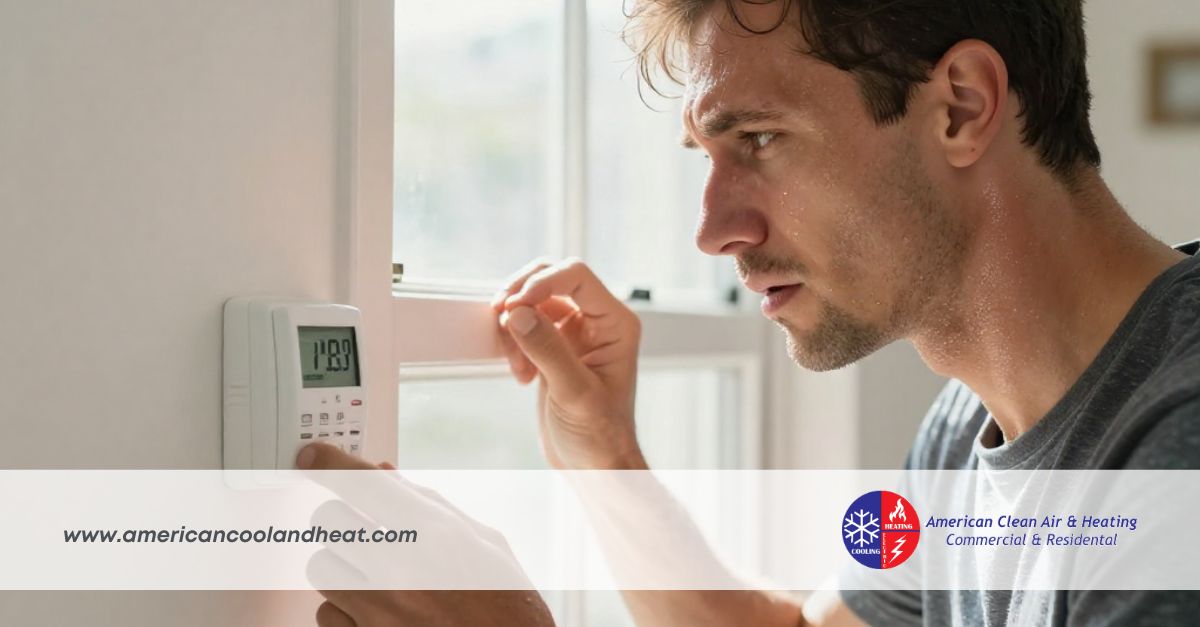
Why emergency preparedness matters for your AC
Treating your air conditioner with a “set it and forget it” mindset is no longer a viable strategy. Extreme heat requires an emergency preparedness approach. Waiting until your system breaks down during a 105-degree afternoon means you will likely face long wait times for repairs, as local technicians become overwhelmed with service calls.
Taking proactive steps ensures your home remains safe during a severe weather event. Building urgency around your HVAC maintenance schedule can save you thousands of dollars in emergency repair costs and prevent the physical danger of an overheated home.
Start with a professional inspection
The foundation of cooling preparedness is a comprehensive professional inspection. Have a licensed technician evaluate your system before the peak summer heat arrives. They will check refrigerant levels, test electrical connections, and clean the condenser coils. A system operating with low refrigerant or dirty coils has to work twice as hard to cool your home, which inevitably leads to overheating and compressor failure.
Replace your air filters regularly
One of the simplest and most effective ways to protect your equipment is to change your air filters frequently. A clogged filter restricts airflow, forcing the blower motor to strain. During a heatwave, this added strain can easily cause the motor to burn out. Check your filters every 30 days during the summer and replace them the moment they look dirty.
Clear the area around your outdoor unit
Your condenser unit needs space to breathe. Overgrown bushes, accumulated leaves, and outdoor furniture can block the airflow necessary to dissipate heat. Clear at least two feet of space around the entire outdoor unit. This allows the system to exhaust hot air efficiently, reducing the overall workload on the compressor.
Warning signs your cooling system is struggling
Even with careful preparation, mechanical systems can struggle under extreme stress. Knowing the early warning signs of a failing unit allows you to address the problem before a complete breakdown occurs.
Pay close attention to how your system sounds and performs. Are you noticing a lack of airflow from your vents? Is the system running constantly but failing to reach the temperature set on the thermostat? These are clear indicators that your equipment is overwhelmed.
You should also listen for unusual sounds. Banging, rattling, or squealing noises point to loose or failing internal components. Finally, be aware of any strange odors. A musty smell indicates mold within the ductwork, while a burning odor usually points to an electrical issue or an overheating motor.
Trusted solutions for sudden breakdowns
Sometimes, despite your best efforts, extreme weather wins. When a heatwave pushes your equipment past its breaking point, you need a reliable partner to restore your home’s comfort and safety immediately.
American Clean Air and Heating delivers the trusted residential and commercial AC repair Glendale residents and businesses count on. Whether your system is blowing warm air, making strange noises, or refusing to turn on altogether, our experienced HVAC technicians are prepared to diagnose and fix the issue promptly. We understand the urgency of a broken air conditioner during a Los Angeles heatwave, and we act quickly to get your home back to a safe temperature.
Stay safe and comfortable this summer
Extreme heat is an undeniable reality for Southern California residents. Acknowledging the severe strain these rising temperatures place on your home is the first step toward effective preparation. By treating your cooling system as a critical piece of emergency infrastructure, you can prevent sudden breakdowns and keep your family comfortable.
Take action today to prepare your home for the next major temperature spike. Schedule your routine maintenance, replace those dirty filters, and keep a trusted repair team in your contacts. A little preparation now guarantees you will stay cool, calm, and protected all summer long.