(818) 722-8634


Be Prepared for an El Nino Winter – Fix Your Home Heating System
Weather patterns shift every year, but El Niño years tend to bring something extra: colder snaps, heavier rain, and temperature swings that catch homeowners off guard. If your heating system struggled even a little last winter, this is the year those small issues could turn into bigger, more expensive problems.
Heating systems work hardest during the coldest months, and small mechanical issues often surface right when you need your furnace the most. A system that’s been quietly losing efficiency all year can fail completely during a sudden cold front, leaving you without heat exactly when you need it.
This post breaks down the most common heating problems that tend to show up during an El Niño winter, what causes them, and how to get ahead of the issue before the temperature drops.
What is El Niño and how does it affect winter weather?
El Niño is a climate pattern caused by warmer-than-average ocean temperatures in the Pacific. It typically shifts storm tracks and jet streams, which can bring wetter, colder conditions to some regions and milder, drier weather to others. For homeowners, this often means more unpredictable temperature swings than a typical winter, with heating systems cycling on and off more frequently to keep up.
That inconsistency is hard on equipment. Furnaces and heat pumps that run in short, repeated bursts experience more wear than those that operate steadily, which is why El Niño winters tend to expose hidden mechanical weaknesses.
What are the most common heating system problems before winter?
Most heating failures don’t happen out of nowhere. They’re usually the result of gradual wear that becomes obvious once the system is pushed harder. Here are the issues homeowners run into most often.
Why does my furnace short cycle in cold weather?
Short cycling happens when a furnace turns on and off repeatedly instead of running a full heating cycle. This is often caused by a dirty air filter restricting airflow, an oversized furnace for the space, or a failing thermostat sending inaccurate signals. Short cycling increases energy use and puts unnecessary stress on the furnace’s components, which can shorten its lifespan.
What causes uneven heating between rooms?
Uneven heating is typically a sign of duct problems, blocked vents, or poor insulation. If one room feels noticeably colder than the rest of the house, air isn’t reaching it efficiently. This is especially common in homes with older ductwork, where leaks or disconnected sections let heated air escape before it reaches its destination.
How do duct leaks affect heating efficiency?
Leaky ducts can waste a significant portion of the heated air your furnace produces, forcing the system to work harder to maintain the same indoor temperature. Over time, this means higher energy bills and more strain on the furnace, increasing the odds of a breakdown during peak winter demand.
Why is my pilot light or ignition system failing?
Gas furnaces rely on a pilot light or electronic ignition system to start the heating process. A pilot light that keeps going out, or an ignition system that fails to spark reliably, is often caused by a dirty sensor, a faulty thermocouple, or a buildup of debris. Left unaddressed, this can leave a home without heat right when it’s needed most.
Can a dirty air filter cause heating problems?
Yes. A clogged air filter restricts airflow, forcing the furnace to work harder to push air through the system. This not only reduces heating efficiency but can also cause the system to overheat and shut down as a safety measure. Replacing filters every one to three months is one of the simplest ways to prevent avoidable heating issues.
How can I prepare my heating system for an El Niño winter?
Preparing early gives technicians time to catch problems before they turn into emergencies. A few practical steps include:
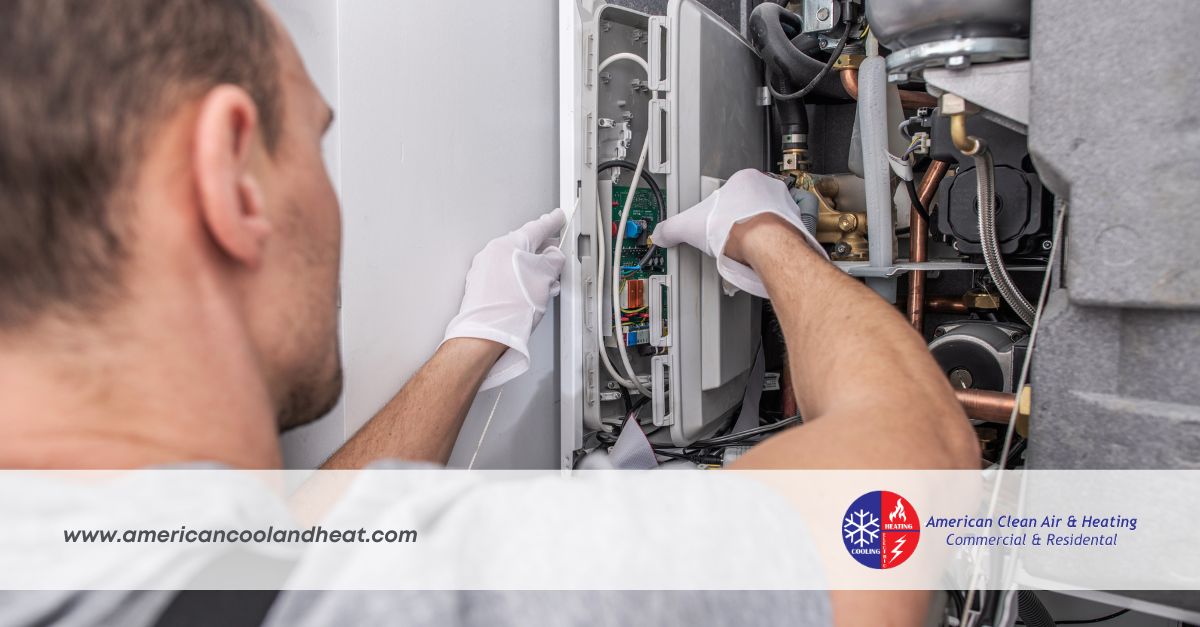
- Schedule a professional inspection. A trained technician can catch issues like worn components, loose connections, or airflow restrictions that aren’t obvious to homeowners.
- Replace air filters. Fresh filters improve airflow and reduce strain on the system.
- Check and seal ductwork. Sealing leaks improves efficiency and helps heat reach every room evenly.
- Test the thermostat. Confirm it’s reading accurately and cycling the system properly.
- Clear vents and registers. Furniture or rugs blocking vents can throw off the whole system’s balance.
These steps won’t guarantee a perfect winter, but they significantly reduce the odds of an unexpected breakdown during the coldest stretch of the season.
When should I call a professional for heating repairs?
If your furnace is short cycling, making unusual noises, producing uneven heat, or failing to ignite consistently, it’s time to call a professional rather than waiting for a full breakdown. Catching these issues early is almost always less expensive than an emergency repair in the middle of a cold front.
This is where American Clean Air and Heating comes in. The team delivers reliable HVAC solutions tailored to each property’s specific layout and usage, with experience across a range of systems. Because downtime is costly, American Clean Air and Heating works around your schedule to minimize disruption, whether you need a fast repair or a complete system overhaul.
Stay warm no matter what El Niño brings
El Niño winters are unpredictable, but your home’s heating system doesn’t have to be. Addressing small issues now, like dirty filters, leaky ducts, and ignition problems, gives your system a much better chance of running smoothly when temperatures drop and stay down.
If it’s been a while since your heating system had a professional checkup, this is the season to schedule one. A short inspection now could be the difference between a warm, comfortable winter and an unexpected breakdown on the coldest night of the year.