 (818) 722-8634


Is Your HVAC a Fire Hazard? Essential Tips for Prevention
When the temperature spikes outside, the hum of an air conditioner is a comforting sound. We rely on our HVAC system to keep our homes livable during the sweltering summer months and warm during the freezing winter. However, few homeowners stop to consider the mechanics keeping them comfortable until the system fails completely. Even fewer consider that their heating and cooling unit could pose a safety risk.
While rare compared to cooking or candle fires, HVAC-related fires do happen. They are often the result of neglected maintenance, system overheating, or electrical failures. The machinery that conditions your air involves high-voltage electricity, friction-generating motors, and heat-producing elements. When these components are pushed beyond their limits due to dirt, blockages, or wear, the risk of overheating rises significantly.
Understanding the root causes of thermal stress in your unit is the first step toward a safer home. By recognizing the dangers of blocked vents, dirty coils, and restricted airflow, you can prevent costly repairs and potential disasters. Here is everything you need to know to keep your system running cool and safe.
Understanding Thermal Safety and Airflow
To prevent overheating, it helps to understand how your HVAC system works. At its core, an HVAC system is a breathing machine. It pulls air in, conditions it (heats or cools it), and pushes it back out. This cycle relies entirely on unrestricted airflow.
When air moves freely, it passes over the internal components, helping to regulate their temperature. The blower motor, which is responsible for pushing the air through the ducts, generates heat as it runs. In a healthy system, the moving air cools the motor.
However, if that airflow is choked off, the system has to work much harder to achieve the same results. The motor spins longer and struggles against higher pressure. This friction and electrical strain generate excessive heat. If the internal temperature gets too high, it can melt wiring, damage the compressor, or potentially ignite dust and debris accumulated inside the unit.
Modern systems have safety switches designed to shut the unit down if it gets too hot. But relying on these safety fail-safes is dangerous. If a limit switch fails, or if the overheating happens in an electrical component not monitored by the switch, the results can be hazardous.
The Myth of Closing Vents
One of the most common causes of HVAC overheating is actually a homeowner habit born from good intentions. Many people believe that closing the vents in unused rooms will save energy and force more air into the rooms they are using.
Unfortunately, residential HVAC systems are not designed to work this way. They are “balanced” systems. The blower fan is sized to push a specific amount of air against a specific amount of pressure.
Why Closed Vents Create Heat
When you close vents, you aren’t saving air; you are increasing the static pressure within the ductwork. Imagine trying to blow air through a straw, and then pinching the straw halfway shut. You have to blow much harder to get any air out, and your face turns red from the effort.
Your blower motor experiences the same stress. The increased back-pressure forces the motor to work harder, drawing more amperage and generating more heat. Over time, this can burn out the motor or cause the heat exchanger to crack (in furnaces), which creates a risk of carbon monoxide leaks and fire.
To ensure thermal safety, keep at least 80% of your home’s vents open at all times. Additionally, ensure that furniture, heavy drapes, or rugs are not blocking the return air vents. These large vents are responsible for pulling air back into the system. If the system can’t “inhale,” it will overheat just as quickly as if it can’t “exhale.”
The Danger of Dirty Coils and Filters
If airflow is the lifeblood of your HVAC system, cleanliness is its immune system. Dust, dirt, and pet hair are the enemies of safe operation.
The Air Filter
The air filter is your primary defense against overheating. Its job is to trap particulates before they enter the sensitive machinery of your HVAC unit. When a filter becomes clogged with a thick layer of gray dust, air cannot pass through it effectively.
As we established, no airflow means no cooling for the motor. A severely clogged filter is one of the leading causes of frozen evaporator coils and overheated blower motors. Check your filter every 30 days and replace it at least every 90 days—sooner if you have pets.
The Evaporator and Condenser Coils
Beyond the filter, you have the coils. Your air conditioner has two main sets of coils: the evaporator coil (inside) and the condenser coil (outside). These coils are responsible for transferring heat.
If the indoor evaporator coil gets coated in dust because of a poor filter, it can’t absorb heat from your home. The system will run continuously, trying to reach the temperature set on the thermostat, never cycling off. This continuous operation puts immense strain on the electrical components.
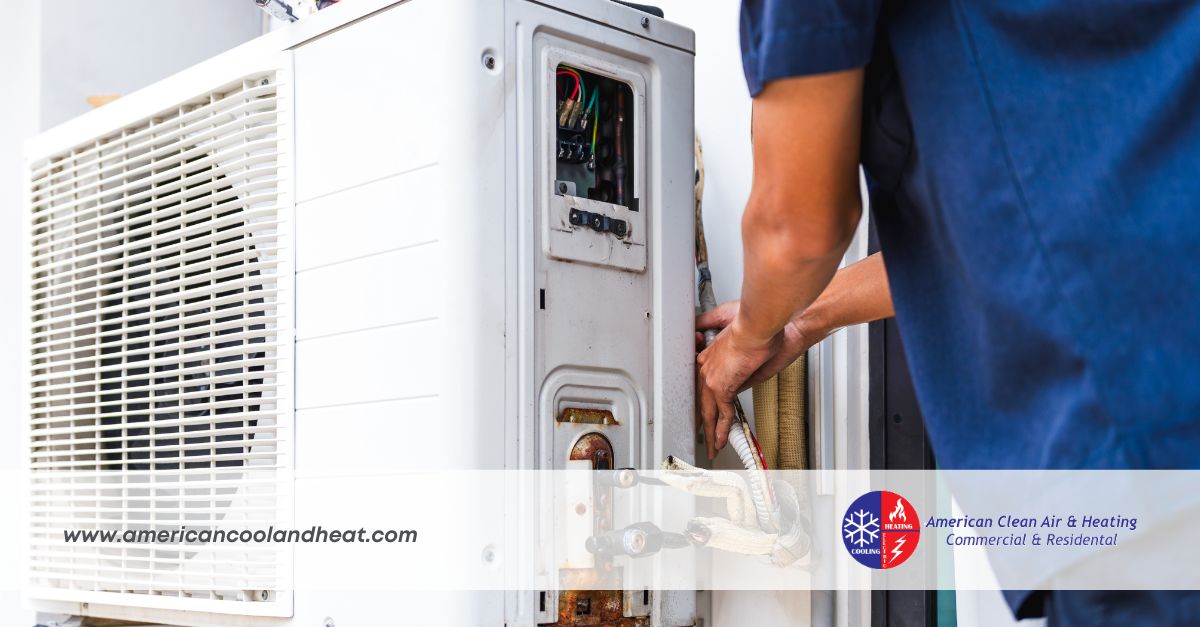
The outdoor condenser coil faces different threats. It is exposed to the elements, meaning it collects dirt, pollen, leaves, and grass clippings. When this outdoor unit is choked by debris, it cannot release the heat it has collected from inside your house. The compressor—the heart of the A/C unit—will begin to overheat. A compressor failure is not only an expensive repair; an overheating compressor can damage the wiring connected to it, leading to electrical arcing and fire risks.
Managing the Area Around Your Unit
Fire safety extends to the immediate area surrounding your heating and cooling equipment.
For the outdoor unit, maintain a clearance of at least two feet on all sides. Trim back bushes, remove tall grass, and clear away dead leaves. This ensures proper airflow and removes dry, flammable material from being too close to a hot machine.
For indoor units (often located in attics, basements, or utility closets), the rule is the same. It is tempting to use the utility closet as extra storage for brooms, cleaning chemicals, or boxes of holiday decorations. However, crowding your furnace or air handler creates a fire hazard.
Furnaces, in particular, require oxygen to burn fuel. If you store flammable items (like paint thinner or gasoline) near the unit, the pilot light or burner could ignite the fumes. Even non-flammable items can block the air intake, leading to incomplete combustion and overheating. Keep the area around your indoor unit clean, clear, and empty.
Recognizing the Warning Signs
Your HVAC system will usually tell you if it is struggling before it catches fire. Being vigilant about these signs can save your home.
- Burning Smells
This is the most obvious sign. If you turn on your heat for the first time in winter, a slight “dust burning” smell is normal for a few minutes. However, if you smell burning plastic, rubber, or an electrical ozone scent, shut the system off immediately. This often indicates melting wire insulation or an overheating motor. - Tripped Breakers
Circuit breakers are safety devices designed to cut power when a circuit draws too much electricity. If your HVAC unit keeps tripping the breaker, it is drawing more power than it should—likely because a component is overheating or seizing up. Do not keep flipping the breaker back on; call a professional. - Strange Noises
A humming or buzzing sound from the motor that doesn’t result in the fan turning can indicate a seized motor or a bad capacitor. Both issues generate high heat. Screeching sounds often mean dry bearings, which cause friction and heat. - Short Cycling
If your unit turns on, runs for a few minutes, and shuts off before the house is comfortable, it might be “short cycling.” This often happens because the safety limit switch detects overheating and cuts the power. Ignoring this cycle can lead to permanent damage.
The Role of Professional Maintenance
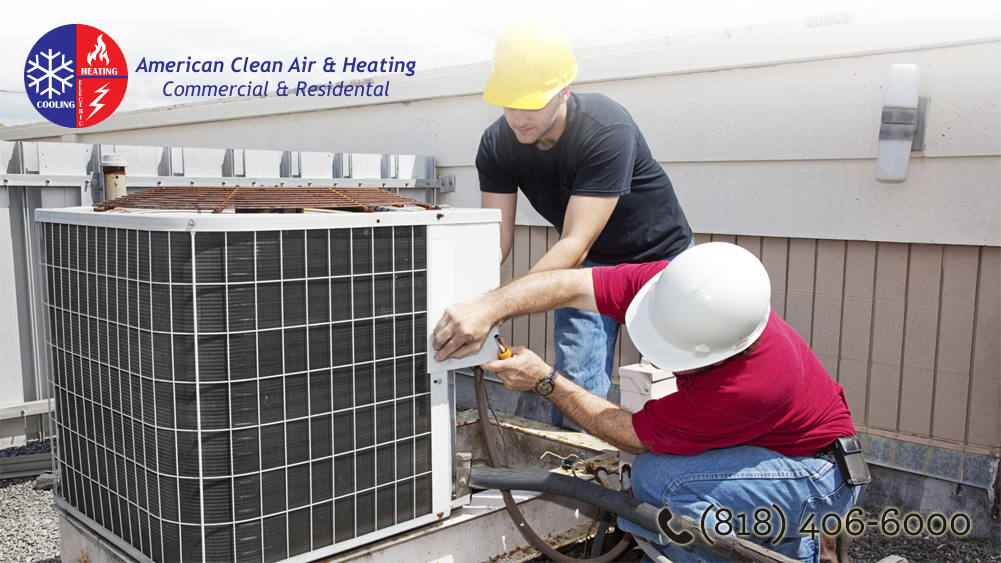
While changing a filter and clearing vents are excellent DIY steps, true fire prevention requires professional eyes. Electrical connections loosen over time due to vibration. Wires fray. Capacitors degrade. These are issues the average homeowner cannot see or safely fix.
Routine professional maintenance involves tightening electrical connections, measuring the voltage and amperage of motors, checking refrigerant levels, and deep cleaning the coils. A technician can spot a capacitor that is on the verge of failure or a wire that is rubbing against a sharp metal edge. Regular servicing of your HVAC system not only improves efficiency but also plays a critical role in preventing overheating and reducing potential fire hazards.
American Clean Air and Heating offers fast, dependable HVAC services you can rely on to handle these inspections. With full-service maintenance and installation, our team ensures that every component of your system is operating within safe parameters. We don’t just fix problems; we prevent them.
Prioritizing Safety in Your Home
An HVAC unit is a powerful piece of technology that works tirelessly to keep you comfortable. But like any machine that combines electricity, heat, and moving parts, it demands respect and care.
By keeping your vents open, your filters changed, and your coils clean, you significantly reduce the thermal stress on your system. However, the best defense against overheating and fire risks is a partnership with a trusted professional. Don’t wait until you smell smoke or the A/C stops working on the hottest day of the year.
If you suspect your system is overheating, or if it has been more than a year since your last inspection, take action now. Contact American Clean Air and Heating today to schedule a safety check and enjoy the peace of mind that comes with a safe, efficient home.
