 (818) 722-8634


Is Your Heater Making You Sick? The Truth About Winter Air Quality
As the temperatures drop and the days get shorter, there is a natural instinct to retreat indoors and rely more on your HVAC system. We seal our windows, draft-proof the doors, and crank up the thermostat to create a cozy sanctuary against the cold. It feels safe and comfortable, but there is an invisible problem accumulating in the air you breathe.
While sealing your home keeps the heat in, it also traps pollutants inside. Without fresh air circulation from open windows, your home relies entirely on your HVAC system to regulate the environment. If that system hasn’t been maintained, it effectively becomes a machine that recycles dust, mold spores, and allergens throughout every room in your house.
Many homeowners assume that if the furnace turns on and blows warm air, everything is working perfectly. However, temperature control is only half the battle. The quality of the air circulating through your vents is just as critical for your family’s health. Winter HVAC care isn’t just about preventing a breakdown on a freezing night; it is about ensuring your home doesn’t become a breeding ground for respiratory irritants.
The Winter Indoor Air Quality Paradox
It seems counterintuitive that our homes would be dirtier in the winter. After all, pollen counts outside are generally lower than in spring. However, the Environmental Protection Agency (EPA) has consistently noted that indoor air can be two to five times more polluted than outdoor air. In winter, this statistic becomes even more concerning.
During the warmer months, natural ventilation helps dilute indoor contaminants. In winter, that passive ventilation stops. We create a sealed ecosystem. Every bit of dust tracked in, every pet dander particle, and every spore of mold stays trapped inside with you.
Your HVAC system is the lungs of your home. It breathes air in through the return vents, conditions it (heats it), and exhales it through the supply vents. If the “lungs” are congested with dirt and debris, the system cannot filter effectively. Instead, it continuously blasts those particles back into your living space, leading to poor Indoor Air Quality (IAQ).
The “Big Three” Contaminants Hiding in Your Ducts
When we talk about poor air quality, we are usually referring to a specific trio of irritants that thrive in neglected heating systems. Understanding what they are is the first step in eliminating them.
1. Mold Spores
Mold requires moisture and darkness to grow. While furnaces produce dry heat, other parts of the system—specifically the ductwork, drain pans, or humidifier components—can harbor moisture. If there is a leak in your roof or a damp basement where ducts are located, mold can take hold inside the metal pathways. Once the blower fan turns on, it sends invisible spores airborne. For those with asthma or mold sensitivities, this can turn a warm home into a health hazard.
2. Accumulated Dust
Dust is an amalgamation of dead skin cells, fabric fibers, soil, and microscopic insects. In a typical six-room home, up to 40 pounds of dust is created annually through everyday living. Your HVAC filter is the first line of defense against this. However, if the filter is clogged or the system hasn’t been cleaned, dust accumulates on the blower wheel and the heat exchanger. Eventually, the sheer volume of dust overwhelms the system and is forced back out into your rooms.
3. Biological Allergens
This category includes pet dander, bacteria, and dust mites. Dust mites, in particular, are a significant issue in winter. While they don’t drink water, they absorb moisture from the air. A poorly maintained HVAC system that doesn’t properly regulate humidity can create the perfect environment for mites to multiply.
Linking HVAC Maintenance to Better Health
The connection between your furnace and your health is direct. When your system is dirty, your respiratory system takes the hit. This is often why family members seem to have a “permanent cold” during the winter months. Symptoms like dry eyes, scratchy throats, headaches, and fatigue are often attributed to the flu season, but they are frequently signs of “Sick Building Syndrome” caused by poor ventilation.
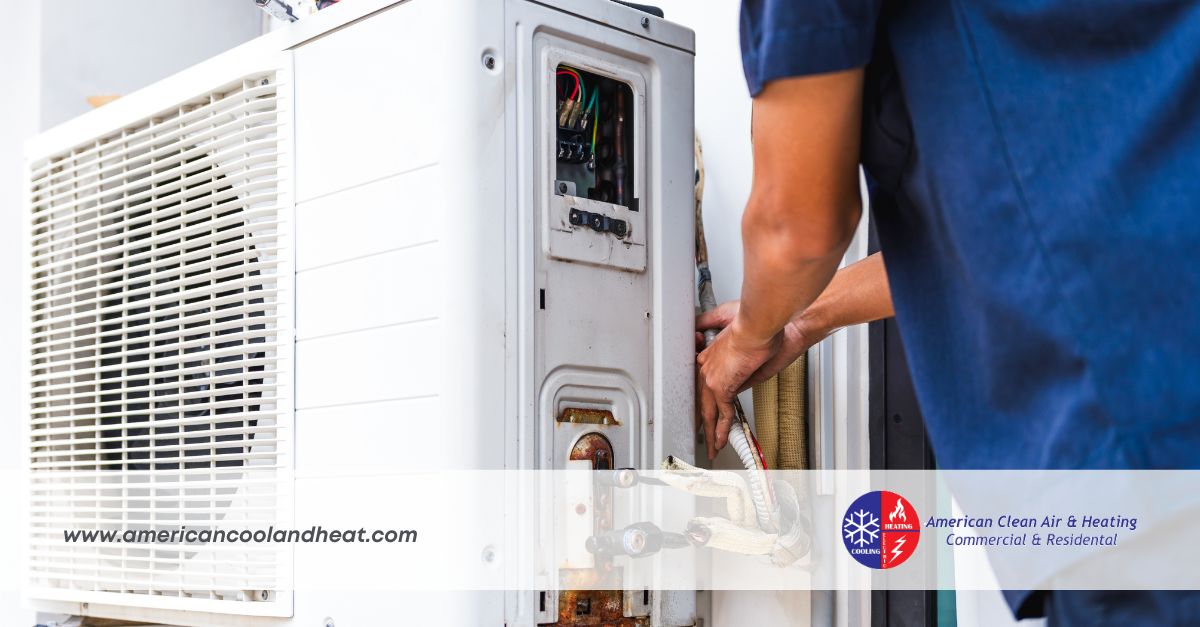
Routine maintenance does more than check mechanical parts; it addresses the hygiene of the unit. A professional technician cleans the components that homeowners cannot reach. This includes the blower assembly, the burner assembly, and the housing unit.
By removing the physical buildup of dirt inside the machine, you remove the source of the pollution. Furthermore, a technician can inspect ductwork for leaks. Leaky ducts in an attic or crawlspace can suck in dirty, insulation-filled air and distribute it into your bedrooms. Sealing these leaks is a crucial part of winter HVAC care that drastically improves IAQ.
Efficiency: The Secondary Benefit of Clean Air
While health is the priority, the financial benefits of cleaning your HVAC system are undeniable. A system clogged with dust and mold has to work significantly harder to push air through the home. This struggle creates resistance.
For example, if your blower fan is covered in grime, it cannot spin as meant to. The motor draws more amperage to maintain speed, driving up your electric bill. If the heat exchanger is coated in dust, it acts as an insulator, preventing the heat from transferring to the air efficiently. This means the furnace runs longer to reach the temperature set on your thermostat.
Routine maintenance restores the system to factory specifications. It allows air to flow freely, reducing wear and tear on components and keeping your energy bills manageable during the peak heating season.
Comprehensive Care for All System Types
Every home is different, and the maintenance approach needs to match the equipment. Whether you have a modern high-efficiency setup or an older unit, professional care is necessary.
- Forced Air Units & Furnaces: These are the most common systems and rely heavily on clean filters and clear ductwork. The combustion process in gas furnaces also needs to be checked to ensure no carbon monoxide is leaking—a critical safety check.
- Central Air & Heat Pumps: These systems run year-round. After a long summer of cooling, the coils and fins are often packed with debris. Cleaning them before switching to heat mode is essential for performance.
- Rooftop Units: Often found in commercial buildings or modern condos, these units are exposed to the elements. Winter maintenance ensures that leaves, bird nests, and weather damage haven’t compromised the air intake.
- Electric Heaters: While they don’t burn fuel, they still have heating elements and fans that collect dust, which can create a burning smell and fire hazard if not cleaned.
Why Professional Service Matters
It can be tempting to treat HVAC maintenance as a DIY project. While changing a filter is something every homeowner should do, deep cleaning and system diagnostics require professional tools and training.
At American Cool & Heat, we specialize in the full spectrum of climate control services. We don’t just swap filters; we analyze the health of the entire system. From checking thermostats and controls to ensure accurate temperature readings, to inspecting duct work for airflow restrictions, we cover every base.
We service all major brands, meaning we have the specific parts and knowledge for your unique unit, whether it’s a high-efficiency system or a standard central air system. We understand that heating issues rarely happen at convenient times, which is why we emphasize being fast, reliable, and affordable.
When you schedule routine maintenance with us, you aren’t just getting a technician; you are getting a guarantee. We provide a written work estimate prior to any repair, so there are never any surprise costs. Plus, our labor and parts always carry a warranty. We arrive on time, ready to work, and committed to getting your home’s air clean and warm.
Frequently Asked Questions
How often should I change my HVAC filter in winter?
During peak usage in winter, check your filter every 30 days. If it looks dirty, change it. At a minimum, it should be changed every 90 days. Homes with pets or smokers should stick to the 30-day schedule to keep allergens under control.
Can a dirty heater cause mold in my house?
Indirectly, yes. If your HVAC system has a clogged condensate drain or is not managing humidity levels correctly, it can introduce excess moisture into the air or ductwork. This moisture, combined with the heat, creates the perfect condition for mold growth, which the system then blows into your rooms.
What is included in a routine maintenance visit?
A standard winter tune-up typically includes cleaning the burners and ignition assembly, inspecting the heat exchanger for cracks, testing safety controls, tightening electrical connections, checking the flue pipe, and inspecting the blower motor and belt.
Do I need to clean my ducts every year?
Duct cleaning is not usually required every year. However, if you have just completed a renovation, have moved into a new home, or notice visible mold growth or excessive dust, a professional duct cleaning is highly recommended.
Breathe Easier This Winter
You shouldn’t have to choose between a warm house and a healthy house. The mold, dust, and allergens accumulating in your heating system are not just a nuisance—they are a threat to your comfort and well-being. By prioritizing winter HVAC care, you ensure that the air your family breathes is as fresh as it is warm.
Don’t wait for your furnace to fail or for allergies to flare up. Take a proactive approach to your indoor environment. For new installations, repairs, system relocation, or essential routine maintenance, trust the experts who stand behind their work.
Call American Cool & Heat today. Let us help you create a safer, cleaner, and cozier home for the winter season.
 Written by: |
Posted in: HVAC