 (818) 722-8634


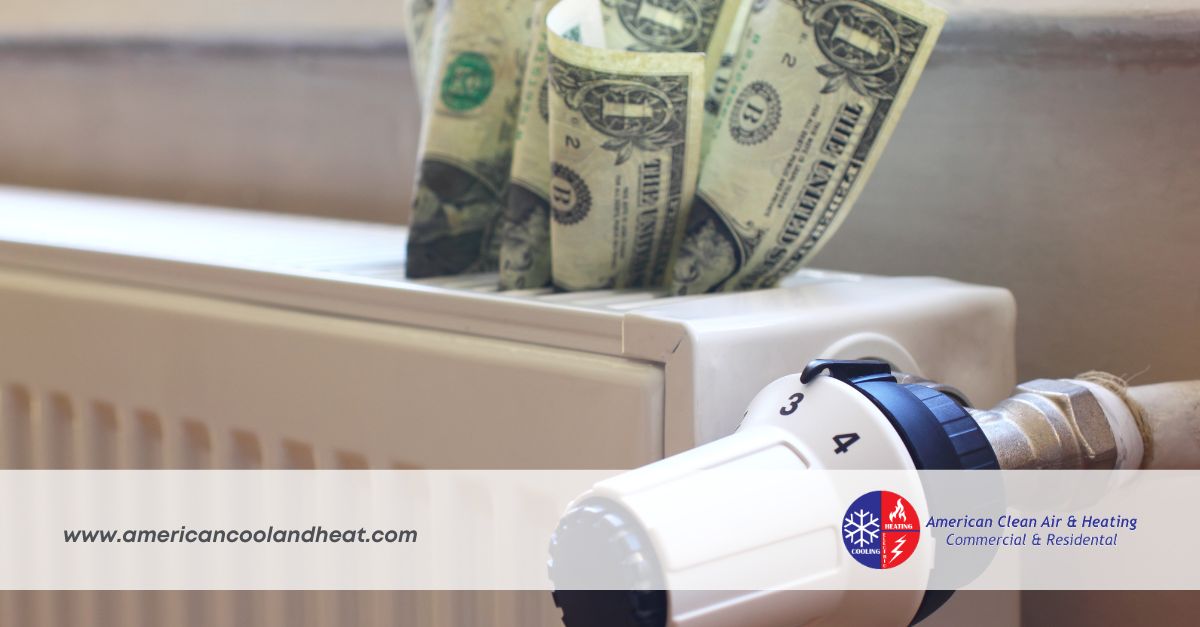
Stop Burning Money: Smart End-of-Year Heating Tips
There are few things more shocking than opening your utility bill in January. The holidays are over, the decorations are packed away, and you are greeted with heating costs that put a serious dent in your new year’s budget. As temperatures drop, your furnace works overtime to combat the freeze, often resulting in skyrocketing energy usage.
Keeping your home warm shouldn’t require emptying your savings account. Many homeowners assume that high bills are just the price of comfort during the winter months, but that isn’t necessarily true. Inefficiency is often the real culprit, silently siphoning heat—and money—out of your living space through drafty windows, neglected equipment, and poor habits.
The end of the year is the perfect time to audit your home’s energy efficiency. By making small adjustments now, you can enjoy a cozy holiday season and start the new year with more money in your pocket. From leveraging the sun’s natural power to optimizing your HVAC system, here are the most effective strategies to lower your heating costs without sacrificing comfort.
Master Your Thermostat Settings
The thermostat is the command center of your home’s energy consumption, yet many people set it and forget it. A common misconception is that keeping the house at a constant temperature is more efficient than letting it cool down and reheating it. In reality, managing settings properly can significantly reduce heating costs over time.
According to the Department of Energy, you can save as much as 10% a year on heating and cooling by simply turning your thermostat back 7° to 10°F for 8 hours a day from its normal setting. The best times to do this are when you are asleep or away at work.
Find the “Magic Number”
For most households, 68°F is the ideal balance between comfort and efficiency while you are awake at home. If that feels chilly, try wearing a sweater or warm socks. Every degree you lower the thermostat can result in noticeable savings on your next bill.
Upgrade to a Smart Thermostat
If you still rely on a manual dial, consider upgrading to a programmable or smart thermostat. These devices learn your schedule and adjust the temperature automatically, ensuring you aren’t heating an empty house. Some models even provide energy usage reports, helping you identify further opportunities for savings.
Seal the Envelope of Your Home
Your heating system pushes warm air into your rooms, but if your home has leaks, that expensive heat is marching right out the door. When the thermal envelope is compromised, your furnace has to run longer, driving up heating costs and reducing overall efficiency.
Hunt for Drafts
On a windy day, carefully run your hand along the edges of your windows and exterior doors. If you feel cold air coming through, you have a leak.
- Windows: Apply weatherstripping or use a temporary window insulation kit (the kind with plastic film you shrink with a hair dryer). These are inexpensive and highly effective for the winter months.
- Doors: Install door sweeps at the bottom of exterior doors to close the gap between the door and the threshold.
- Attics and Basements: These are major sources of heat loss. Check around pipes, vents, and electrical conduits that go through the ceiling or floor. A can of expanding spray foam can seal these small gaps in minutes.
Harness the Power of the Sun
Even in the dead of winter, the sun remains a powerful (and free) source of heat. Passive solar heating can raise the temperature of a room by several degrees without your furnace engaging once.
During the day, open the curtains and blinds on your south-facing windows. Allow the sunlight to stream in and warm your floors and furniture. This stored heat radiates back into the room even after the sun moves.
However, once the sun goes down, those windows become cold spots. Make it a nightly ritual to close all heavy drapes and blinds. This adds an extra layer of insulation against the glass, trapping the heat inside where it belongs.
Optimize Airflow and Circulation
Your heating system relies on proper airflow to distribute warmth evenly. If the air cannot circulate, your furnace strains, leading to uneven temperatures and higher bills.
Change Your Filters
This is the single most important maintenance task for a homeowner. A clogged air filter restricts airflow, forcing the system to work harder and use more energy. During heavy use months like December and January, check your filter every 30 days and replace it if it looks dirty.
Unblock Vents and Radiators
Take a walk through your home and look at your supply vents and radiators. Are they hidden behind a couch? Is a long curtain draped over a baseboard heater? Furniture and fabric absorb the heat before it can circulate into the room. Rearrange your layout slightly to give your heat sources at least a foot of clearance.
Reverse Your Ceiling Fans
Ceiling fans aren’t just for summer cooling. Most fans have a small switch on the motor housing that changes the direction of the blades. In the winter, switch your fan to rotate clockwise at a low speed. This creates an updraft that pulls cool air up and pushes the warm air (which naturally rises to the ceiling) back down into the living space.
Manage Humidity Levels
The air inside your home tends to be much drier in winter, which can affect how warm you feel. Moist air holds heat better than dry air. Furthermore, humidity slows the evaporation of moisture from your skin, making you feel warmer at lower temperatures.
Using a humidifier can make 68°F feel like 72°F. If you don’t have a whole-home humidifier integrated into your HVAC system, portable units in the bedrooms or main living areas can help. Simple tricks like leaving the bathroom door open after a shower or air-drying clothes can also add beneficial moisture to the air.
Don’t Neglect Your Fireplace
A fireplace is the centerpiece of a cozy winter evening, but it can also be a major energy waster. Traditional wood-burning fireplaces often pull more warm air out of the house up the chimney than they provide in radiant heat.
If you aren’t using the fireplace, ensure the damper is closed tight. An open damper is essentially an open window on your roof, sucking warm air out 24/7. If you rarely use the fireplace, consider installing a chimney balloon or a specialized plug to seal the flue completely and prevent drafts.
For those who do use their fireplace, consider installing tempered glass doors or a heat-air exchange system that blows warmed air back into the room.
The Importance of Professional Maintenance
While DIY tips can make a significant dent in your energy usage, nothing beats the efficiency of a well-tuned machine. A neglected system can lose up to 5% of its efficiency every year it goes without service, which directly increases long-term heating costs and the risk of breakdowns.
An end-of-year tune-up typically includes cleaning the burner assembly, checking the heat exchanger for cracks, lubricating moving parts, and calibrating the thermostat. This not only lowers your monthly bills but also extends the lifespan of the unit and prevents costly emergency breakdowns during a blizzard.
Stay Warm and Efficient This Season
Reducing your heating bills doesn’t mean you have to shiver in your own living room. It requires a combination of smart habits, minor home improvements, and proper equipment maintenance. By sealing leaks, managing your thermostat, and utilizing sunlight, you can keep the cold out and the savings in.
However, sometimes efficiency issues go beyond drafty windows. If your bills remain stubbornly high despite your best efforts, it might be an indication that your heating system is reaching the end of its life or requires a professional touch.
If your HVAC system is underperforming or if you’re ready to upgrade to something more efficient, American Cool & Heat is ready to help. Contact us to schedule installation, repairs, an evaluation, or just to get a free estimate, and let us help create a climate-controlled space that keeps your home or business comfortable through every season.
 Written by: |
Posted in: AC Repair