 (818) 722-8634


Why Your Energy Bills Are Higher in 2026
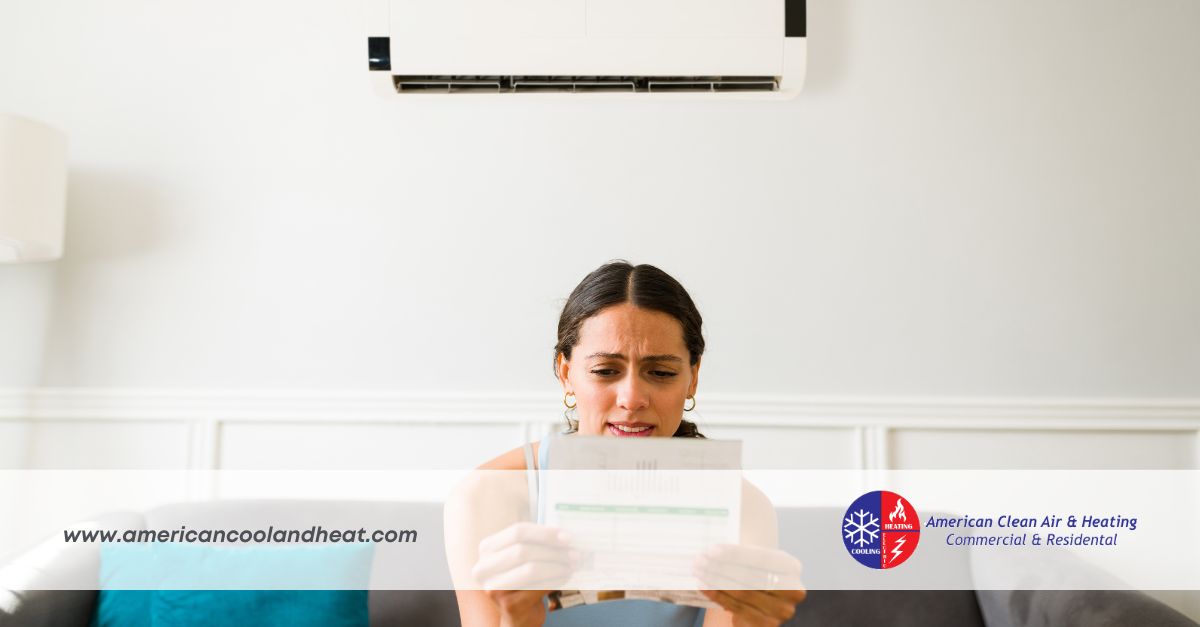
Opening your utility bill lately might feel like a shock. Across the country, homeowners are noticing a sharp spike in their monthly energy expenses. While inflation and changing utility rates play a part, the biggest culprit might be sitting right outside your window. Air conditioning systems account for a massive portion of household energy use. If your energy bills have suddenly skyrocketed this year, your cooling system is likely working harder than it needs to. Understanding the connection between your AC unit and your monthly expenses is the first step toward bringing those costs back down to earth.
By identifying the root causes of cooling inefficiency, you can make informed decisions that protect your wallet. Here is a look at why your cooling costs are climbing and what you can do to stop the bleeding.
The Hidden Cost of Aging Air Conditioners
Air conditioners do not age gracefully. As parts wear down over the years, the system requires more electricity to produce the same amount of cold air. This gradual decline in efficiency often goes unnoticed until the utility bills become unmanageable.
Dirt and Neglect Drain Power
Routine maintenance is essential for keeping cooling costs low. When air filters clog with dust and pet dander, the blower motor has to work overtime to push air through the restricted fibers. Similarly, dirty condenser coils struggle to release heat, forcing the compressor to run longer cycles. Skipping annual tune-ups allows these minor issues to compound into major energy drains.
Outdated Refrigerant and Leaks
Older systems often rely on outdated refrigerants that are less efficient and harder to replace. If your system has developed a slow leak, it will never reach the temperature set on your thermostat. The unit will simply run continuously, burning through electricity while barely cooling your home.
How Upgrading Your AC Saves Money
There comes a point when repairing an old, inefficient system costs more than replacing it. Modern air conditioning technology has advanced significantly, offering features designed specifically to minimize electricity consumption.
High SEER Ratings and Variable Speed Technology
Today’s air conditioners come with much higher Seasonal Energy Efficiency Ratio (SEER) ratings than units built a decade ago. A higher SEER rating indicates a system that uses less electricity to cool your home. Furthermore, modern variable-speed compressors adjust their cooling capacity to match your home’s exact needs, rather than blasting at full power and shutting off abruptly. This smooth, continuous operation drastically reduces energy spikes.
The Role of Professional Repair and Installation
Even the most advanced cooling system will fail to deliver energy savings if it is installed incorrectly or poorly maintained. Partnering with a trusted local professional ensures your system operates at peak efficiency.
American Clean Air and Heating delivers the trusted residential and commercial AC repair Glendale residents and businesses count on. Whether your system is blowing warm air, making strange noises, or refusing to turn on altogether, our experienced HVAC technicians are prepared to diagnose and fix the issue promptly. Having a reliable technician on speed dial prevents minor inefficiencies from turning into massive utility bills.
Take Control of Your Cooling Costs
You do not have to accept sky-high energy bills as a permanent reality. By taking a closer look at your air conditioning system, you can identify the inefficiencies driving up your costs. Start by scheduling a professional inspection to see if a simple repair or a comprehensive tune-up can restore your unit’s performance.
If your system is nearing the end of its lifespan, consider the long-term financial benefits of upgrading to a modern, energy-efficient model. Taking action today will ensure your home stays comfortable without draining your bank account all summer long.
 Written by: |
Posted in: AC Repair, Professional AC service, Services Burbank